

Agriculture Project For farmers/Crop safety project for animal


Project Introduction:
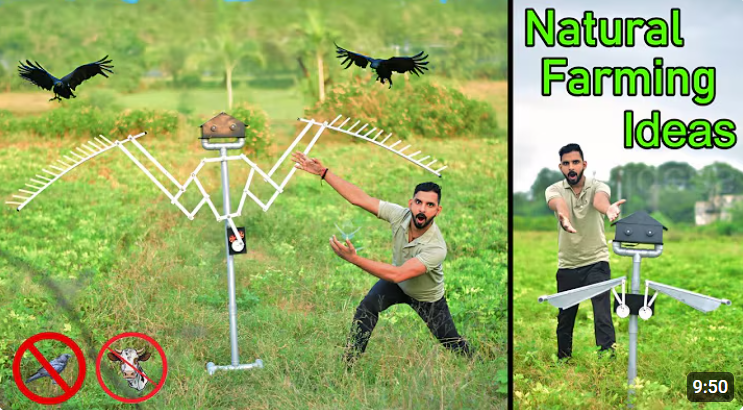
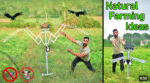
In this Project, we present an innovative and fully automatic Smart Scarecrow Project designed especially for farmers and science exhibition enthusiasts. This smart device stays installed in the field and uses motion detection sensors to identify any movement caused by birds, animals, or intruders entering the farmland.
As soon as it detects movement, the scarecrow’s hands start moving and a loud buzzer alarm is activated, which creates the illusion of a real human presence and scares away animals like birds, monkeys, or stray cattle. The entire system is solar-powered, making it eco-friendly and capable of working day and night without any external power source or human intervention.
This project is perfect for students looking for a science fair model, engineering project, or a real-life solution for agricultural protection. It demonstrates a smart combination of renewable energy, automation, and sensor-based control.
Terms & Conditions: Our project kits are designed for educational and demonstration purposes only. The projects created using these kits represent prototype ideas and concepts. They are not ready-to-use real-life products. To use any project in real-world applications, further research, development, and testing may be required. By purchasing this kit, the buyer agrees that the project is intended only for learning and experimental use.
Original price was: ₹3,499.00.₹2,900.00Current price is: ₹2,900.00.
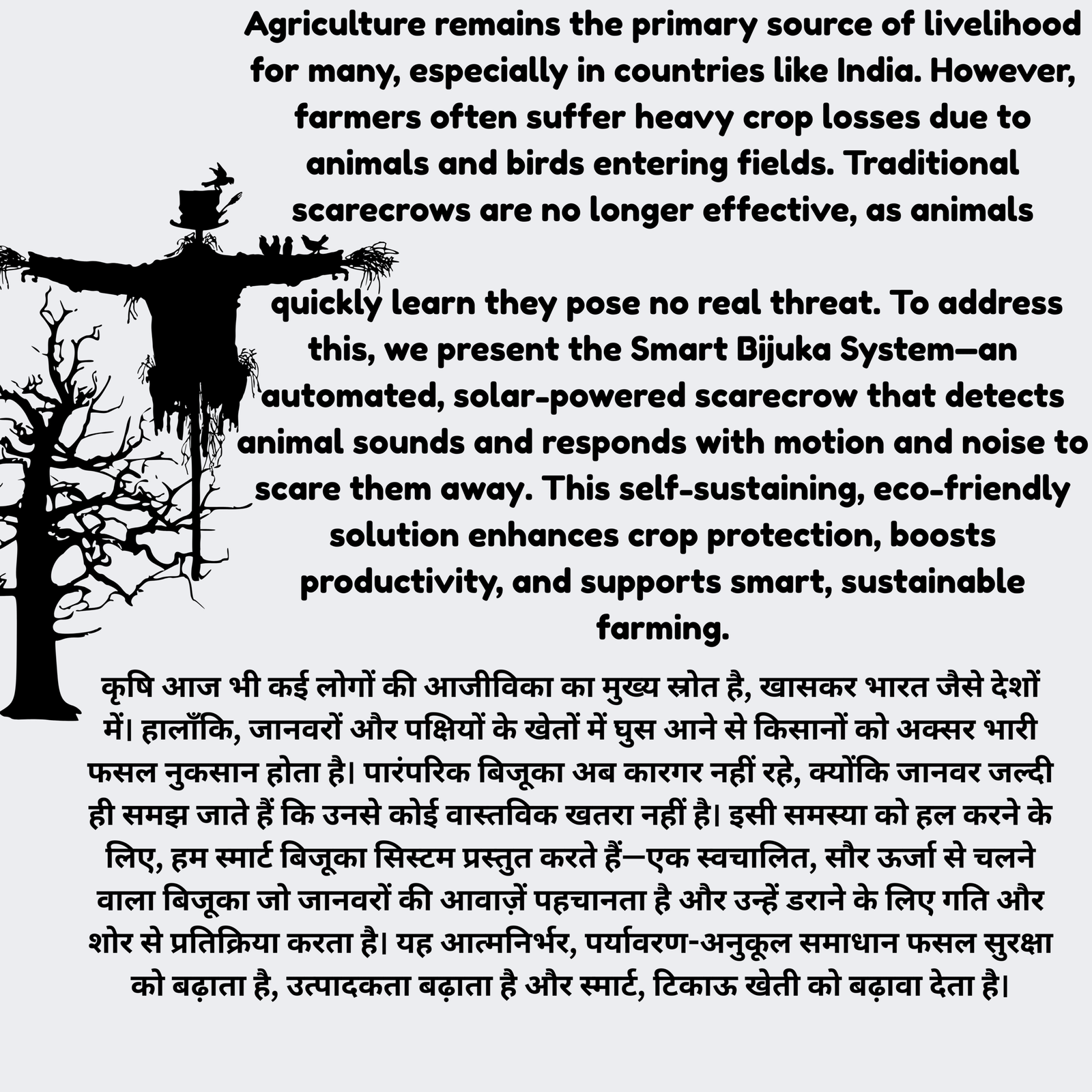
Agriculture remains the primary source of livelihood for many, especially in countries like India. However, farmers often suffer heavy crop losses due to animals and birds entering fields. Traditional scarecrows are no longer effective, as animals quickly learn they pose no real threat. To address this, we present the Smart Bijuka System—an automated, solar-powered scarecrow that detects animal sounds and responds with motion and noise to scare them away. This self-sustaining, eco-friendly solution enhances crop protection, boosts productivity, and supports smart, sustainable farming.
Terms & Conditions: Our project kits are designed for educational and demonstration purposes only. The projects created using these kits represent prototype ideas and concepts. They are not ready-to-use real-life products. To use any project in real-world applications, further research, development, and testing may be required. By purchasing this kit, the buyer agrees that the project is intended only for learning and experimental use.
Related Products
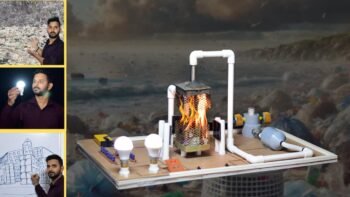
Project Key Features: Waste Plastic Bag Collection: Plastic bags, which are typically waste material, are collected to prevent them from polluting the environment.
Electricity Generation: The plastic bags are burned to generate electricity. This process contributes to renewable energy production.
Pollution Control and Ink Production: The emissions released during the burning process are filtered and treated to create high-quality ink in an eco-friendly manner.
Road Construction Using Waste Materials: Recycled plastic bags and other waste materials are used to build sustainable roads. These roads are more durable and require less maintenance than traditional roads.
Environmental Benefits: The project helps reduce environmental pollution by efficiently managing waste and generating clean energy.
Economic Value: The recycling of plastic adds economic value, benefiting local economies and creating new jobs.
Sustainable Future: The project aims to create a more sustainable and eco-friendly future, where waste is properly utilized and environmental harm is minimized.
Project Benefits: Waste Management: Efficient disposal and utilization of waste plastic bags. Energy Generation: Clean, renewable energy production. Pollution Reduction: Emissions are controlled, and ink is produced in a safer, environmentally friendly way. Cost-Effective Infrastructure: Roads built from recycled materials are cost-effective and long-lasting. Environmental Impact: Reduces carbon footprint by providing eco-friendly solutions. This project offers a new perspective on waste management and sustainability, providing positive environmental impacts while supporting economic growth.
Terms & Conditions: Our project kits are designed for educational and demonstration purposes only. The projects created using these kits represent prototype ideas and concepts. They are not ready-to-use real-life products. To use any project in real-world applications, further research, development, and testing may be required. By purchasing this kit, the buyer agrees that the project is intended only for learning and experimental use.
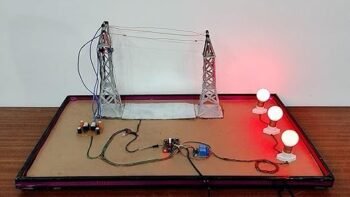
Transmission Line Fault Detection Project
Electrical Engineering Project Making Kit Box
Fault Detection In Transmission Line Project
Line To Ground Fault Detection
Three Phase Transmission Line Fault Detection Project
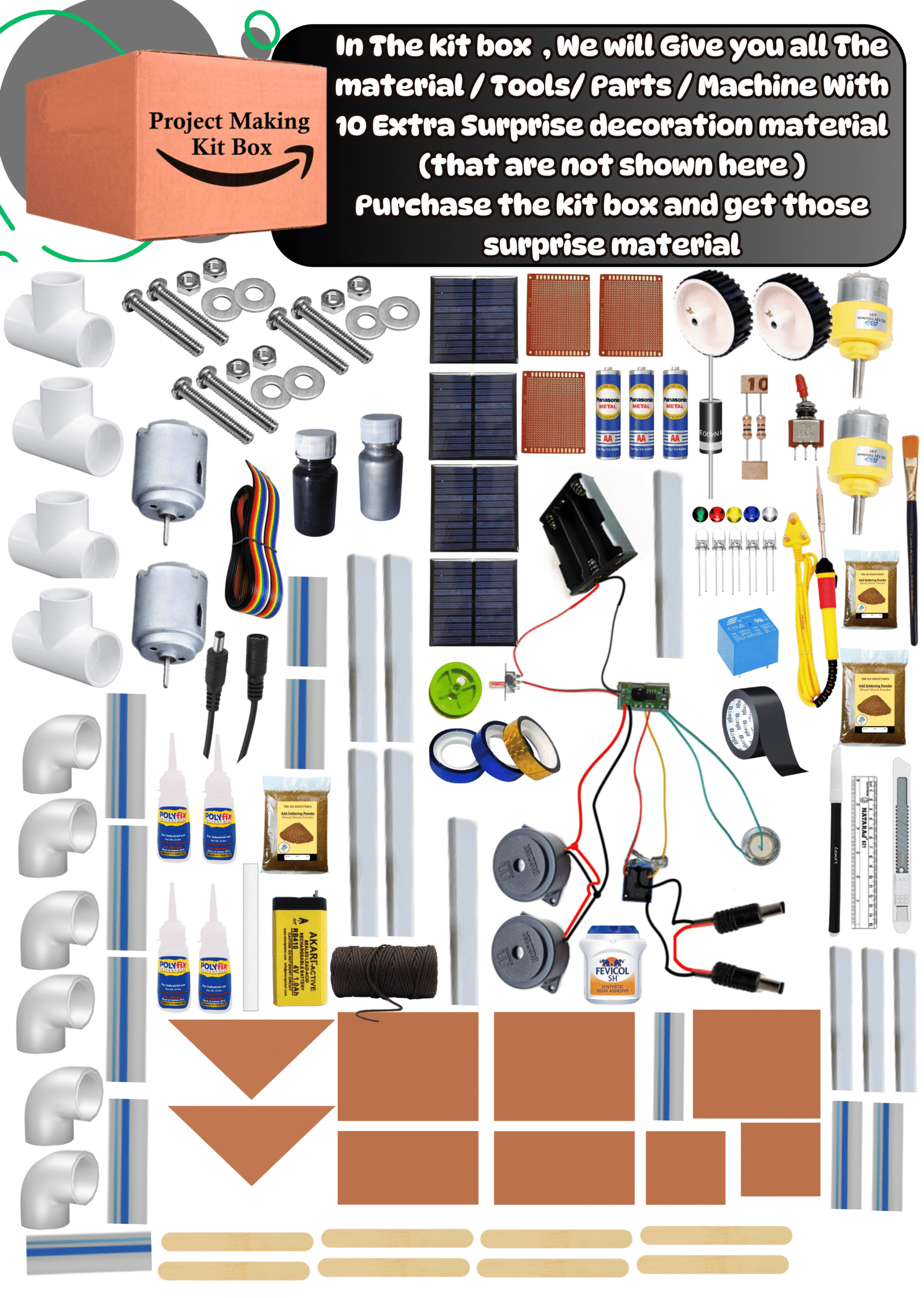
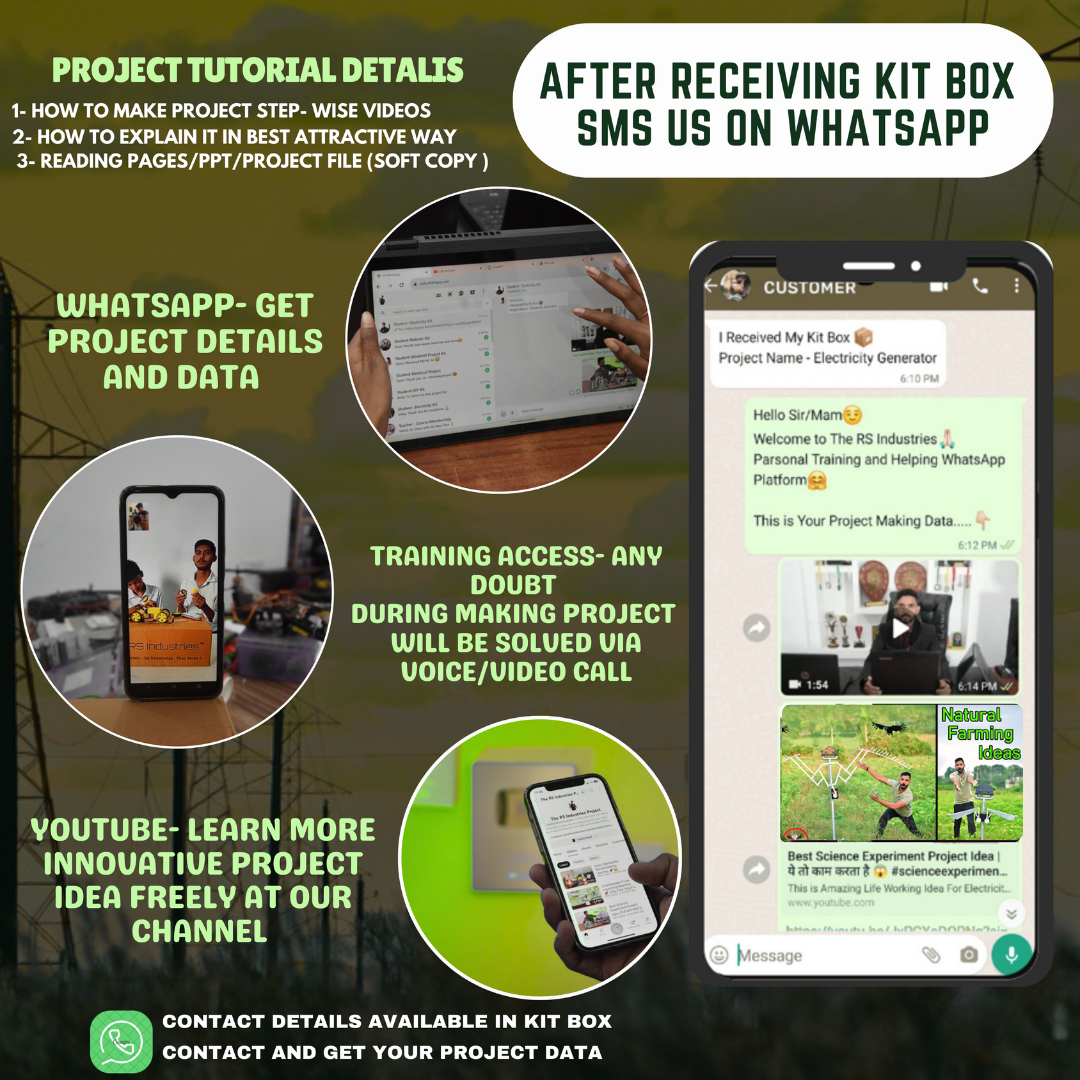
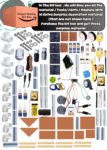
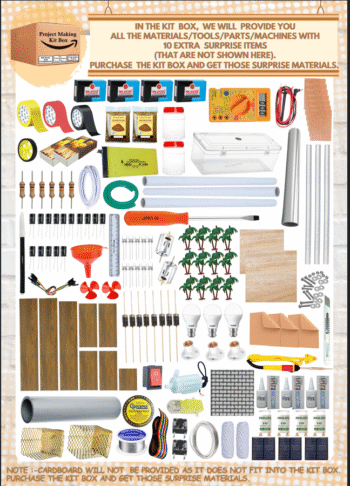
In This Project Kit Box We will Give You Only All Components And Parts And Extra Decoration Materials And Step By Step Videos 3D Circuit Diagram And Reading Pages With Synopsis File And Online Training Access
Terms & Conditions: Our project kits are designed for educational and demonstration purposes only. The projects created using these kits represent prototype ideas and concepts. They are not ready-to-use real-life products. To use any project in real-world applications, further research, development, and testing may be required. By purchasing this kit, the buyer agrees that the project is intended only for learning and experimental use.
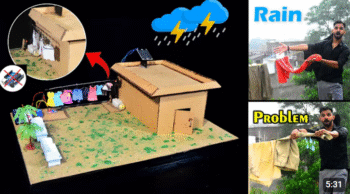
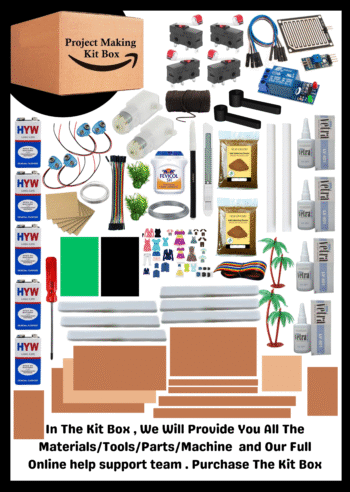
Learn how to build an automatic clothes drying system that responds to rain! In this project, we connect a rain-sensing module to a relay module, which activates a motor to move clothes indoors when it starts raining and back out when the rain stops. Perfect for keeping your laundry safe from unexpected showers. Ideal for DIY enthusiasts, smart home projects, and anyone looking to automate daily chores. Watch now to see how easily you can set up this rain-activated clothes drying system.
Terms & Conditions: Our project kits are designed for educational and demonstration purposes only. The projects created using these kits represent prototype ideas and concepts. They are not ready-to-use real-life products. To use any project in real-world applications, further research, development, and testing may be required. By purchasing this kit, the buyer agrees that the project is intended only for learning and experimental use.
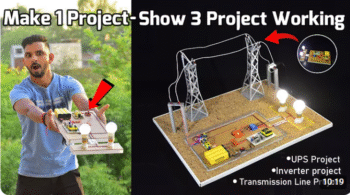
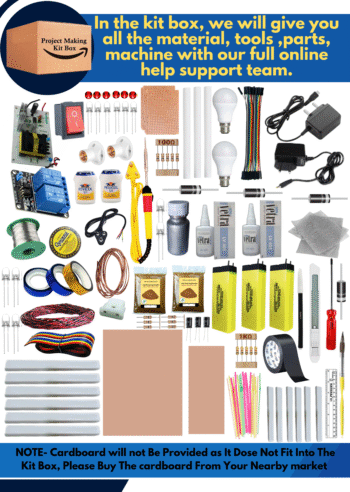
Welcome to our Smart Inverter Project tutorial! In this video, we’ll show you how to build a DIY inverter that provides an automatic power backup solution for your home. If you’re looking for a continuous power supply during outages, this inverter with battery storage will keep your lights on even when the main power goes out.
This project involves creating a smart inverter circuit that can seamlessly switch from AC power to a 12V DC battery when the electricity supply is interrupted. Not only does it ensure uninterrupted power to your 230V AC appliances, but it also recharges the battery when the main power is available.
In this detailed how-to guide, we cover everything from the basic components needed to the step-by-step assembly and testing of the inverter. Plus, we’ll discuss how this inverter system can be adapted for use in transmission lines, ensuring a reliable power supply to cities from substations, even if the main transmission line fails temporarily.
What You’ll Learn in This Video:
Inverter Basics: Understand how an inverter works and the role of battery storage in providing continuous power.
Step-by-Step Construction: Follow our easy instructions to build your own inverter circuit with a 12V DC battery backup.
Automatic Switching: Learn how the inverter automatically switches to battery power during outages and back to AC power when available.
Practical Applications: Discover how this smart inverter system can be used in transmission lines to maintain city power supply during disruptions.
Terms & Conditions: Our project kits are designed for educational and demonstration purposes only. The projects created using these kits represent prototype ideas and concepts. They are not ready-to-use real-life products. To use any project in real-world applications, further research, development, and testing may be required. By purchasing this kit, the buyer agrees that the project is intended only for learning and experimental use.

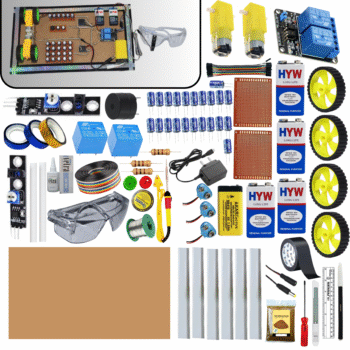
Eyes Blink Sensor: An eyes blink sensor is a device or sensor that detects and monitors the blinking of a person’s eyes. It can be used for various purposes, such as in medical applications, research studies, or even as a personal alert system. When the sensor detects that the person’s eyes are closed or blinking, it triggers a specific action or event, such as sounding an alarm.
Audible Alarm: The sensor is equipped with a sound-generating mechanism that produces an audible alarm when it detects closed or blinking eyes. This alarm sound can be a beep, chime, or any other distinct sound that alerts the user or others in the vicinity.
Safety Applications: The alarm functionality can be particularly useful in safety-critical environments, such as monitoring drivers for signs of drowsiness, operators of heavy machinery, or individuals performing tasks that require sustained focus and attention.
this project use materials name – Glass , Ir Sensor , Pcv Plate , Alarm , 1K resostor , 9v Cap , 9v Battery , Jumper Wire , Glue Road , Soldering Powder , Screwdriver
Terms & Conditions: Our project kits are designed for educational and demonstration purposes only. The projects created using these kits represent prototype ideas and concepts. They are not ready-to-use real-life products. To use any project in real-world applications, further research, development, and testing may be required. By purchasing this kit, the buyer agrees that the project is intended only for learning and experimental use.

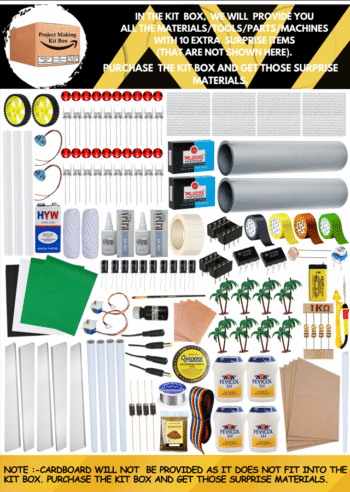
Introduction Of Project In This Project We show when vehicle cross the rood then breaker move and generate electricity ( here we convert mechanical power to electrical power ) so when electricity generate that electricity we store in battery and when night start that time that store power automatic go to street light and street light glowing so in this project we show how to generate electricity by speed breaker , If You Want to Only Watch Full Making Video Of Project Step by Step With Project File and Synopsis file.
Terms & Conditions: Our project kits are designed for educational and demonstration purposes only. The projects created using these kits represent prototype ideas and concepts. They are not ready-to-use real-life products. To use any project in real-world applications, further research, development, and testing may be required. By purchasing this kit, the buyer agrees that the project is intended only for learning and experimental use.
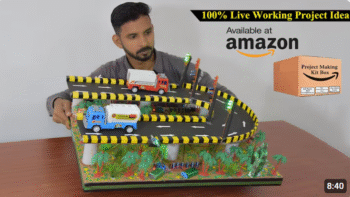
IR Sensor: The IR sensor is used to detect the presence of a vehicle. When a vehicle enters the range of the sensor, it detects its presence. Relay Module: The relay module is used to control the system. Once the IR sensor detects a vehicle, it sends a signal to the relay module, which in turn activates the LED bulb and alarm. LED Bulb: The LED bulb is used to indicate the presence of a vehicle coming from the opposite side. When a vehicle is detected by the IR sensor, the LED bulb on the other side turns on, alerting drivers. Alarm: The alarm sounds to provide a warning of the vehicle’s approach, ensuring further attention and safety. Wiring and Connections:
Working Principle: When a vehicle enters the range of the IR sensor, the sensor detects its presence. The IR sensor sends a signal to the relay module. The relay module then activates the LED bulb and alarm on the opposite side. The alarm and LED bulb warn the drivers that a vehicle is approaching.
Objectives: Enhance road safety by alerting drivers about vehicles approaching from the opposite side. Prevent traffic accidents, especially in areas with limited visibility. Create a simple and cost-effective vehicle detection system for traffic monitoring.
Expected Outcomes: Early warning system for approaching vehicles, giving drivers more time to react. Improved awareness and timely responses from drivers to avoid accidents. Efficient use of sensors and alarms to ensure smooth traffic flow and safety.
Applications: Safety alert system on narrow roads or blind spots. Traffic control at signal points or crossing areas. Monitoring vehicles in industrial areas or warehouses where safety is critical.
Future Improvements: Use of advanced sensors (e.g., ultrasonic) for better accuracy. Integration with traffic signal systems for automated control. Solar-powered systems for cost-effective outdoor applications.
Terms & Conditions: Our project kits are designed for educational and demonstration purposes only. The projects created using these kits represent prototype ideas and concepts. They are not ready-to-use real-life products. To use any project in real-world applications, further research, development, and testing may be required. By purchasing this kit, the buyer agrees that the project is intended only for learning and experimental use.
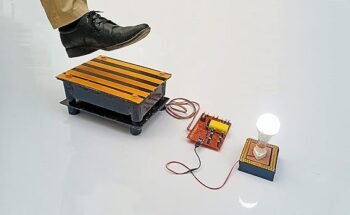
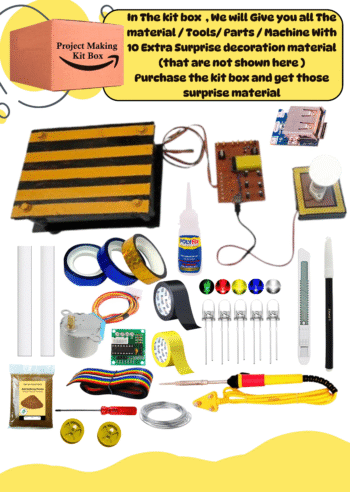
Footstep Power Generate Mechanical Project
Generate Electricity From Mechanical Energy
Generate Electricity By Pressure
Generate Electricity By Walking
Footstep Power Generate Project
Terms & Conditions: Our project kits are designed for educational and demonstration purposes only. The projects created using these kits represent prototype ideas and concepts. They are not ready-to-use real-life products. To use any project in real-world applications, further research, development, and testing may be required. By purchasing this kit, the buyer agrees that the project is intended only for learning and experimental use.
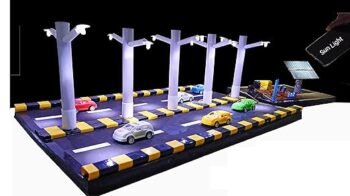
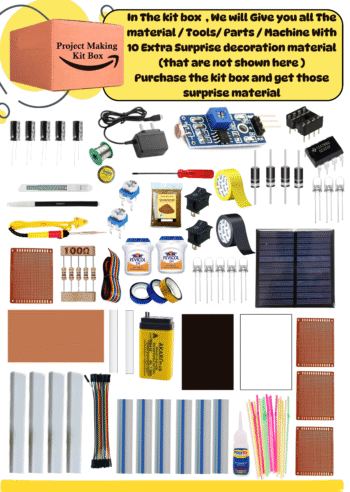
Solar Street Light School Science Project
Solar Street Light Project
LDR Solar Street Light
Automatic On/Off Solar Street Light
Automatic Solar Street Light School Science Project
Terms & Conditions: Our project kits are designed for educational and demonstration purposes only. The projects created using these kits represent prototype ideas and concepts. They are not ready-to-use real-life products. To use any project in real-world applications, further research, development, and testing may be required. By purchasing this kit, the buyer agrees that the project is intended only for learning and experimental use.
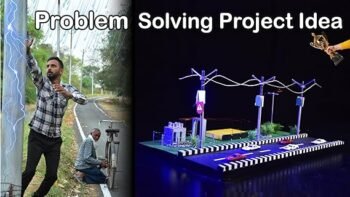
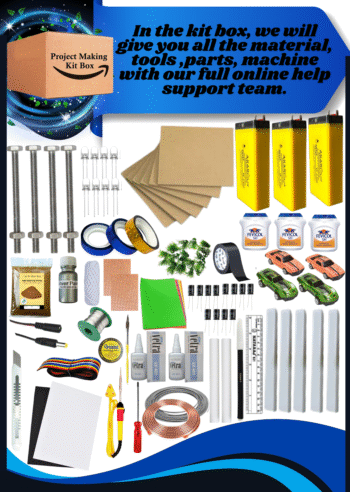
The Problem: Electrical poles, being integral components of power distribution networks, are susceptible to various faults, including short circuits. These faults pose significant dangers to both nearby individuals and the infrastructure itself. However, identifying when a pole is experiencing a fault, especially during adverse weather conditions like rain, can be challenging.
The Solution: Our project introduces a visual indicator system designed to promptly notify observers when a fault occurs in an electrical pole. This system consists of a small strip affixed to the pole, divided into two distinct colors: green and red. During normal operating conditions, when no fault is present, the strip remains green, indicating that the pole is functioning safely. However, when a fault such as a short circuit occurs, the strip promptly changes its color from green to red, si
How it Works: The indicator strip is equipped with sensors capable of detecting abnormal electrical activity, such as an increase in current flow due to a short circuit. Upon detecting such an anomaly, the sensor triggers the color change mechanism, causing the strip to transition from green to red. This visual change serves as an immediate warning sign to anyone in the vicinity that the pole is experiencing a fault and should be avoided.
Benefits: Enhanced Safety: By providing a clear visual indication of faults, the system helps prevent accidents and injuries caused by inadvertent contact with electrified poles. Timely Response: Prompt identification of faults enables swift corrective action, minimizing downtime and potential damage to the electrical infrastructure. User-Friendly: The simplicity of the color-changing indicator strip ensures that it is easily understandable by individuals of all backgrounds and levels of expert
Terms & Conditions: Our project kits are designed for educational and demonstration purposes only. The projects created using these kits represent prototype ideas and concepts. They are not ready-to-use real-life products. To use any project in real-world applications, further research, development, and testing may be required. By purchasing this kit, the buyer agrees that the project is intended only for learning and experimental use.

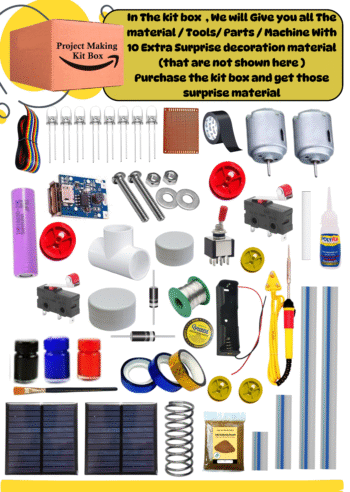
“In this video, we introduce a revolutionary concept: the Life-Saving Stick for Farmers. Designed to ensure the safety of farmers working in fields, this stick incorporates a vibration motor and a micro pressure switch. When farmers traverse through their fields, the stick, upon touching the ground, activates the vibration motor through the pressure switch. This vibration, transmitted through the ground, serves as a deterrent for nearby snakes, effectively reducing the risk of snake encounters and ensuring the safety of our farmers.
In this step-by-step DIY guide, we demonstrate how to construct this innovative device, providing detailed instructions and tips for assembly. Join us in empowering farmers with this life-saving technology, enhancing their safety and peace of mind while they work tirelessly to feed our communities.
Terms & Conditions: Our project kits are designed for educational and demonstration purposes only. The projects created using these kits represent prototype ideas and concepts. They are not ready-to-use real-life products. To use any project in real-world applications, further research, development, and testing may be required. By purchasing this kit, the buyer agrees that the project is intended only for learning and experimental use.
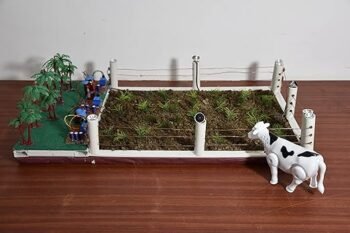
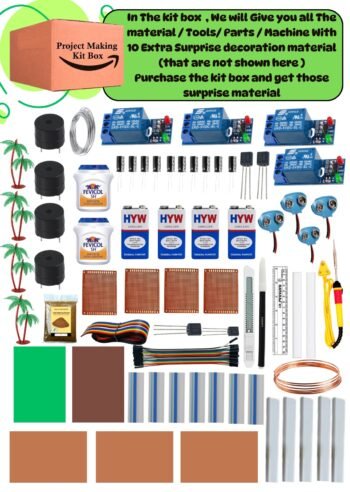
In this project kit box we will give you all components and parts , Extra decoration materials , How to make full step by step video and 3D circuit diagram , Reading pages , Synopsis file , Online training access There will be more wires around the field wall , The direction from which the animals are entering the fields, then on coming in touch with the wire which is around, the alarm will start sounding from the same direction, so that the animal will feel that someone is coming and he will run away due to which the farmer is not in the fields. There will be safety and there will be no harm to the farms and animals. So If farmer go to out side of field then his crop save by animal Best Part Of This Project , It’s System Making Cost Very Low Any Farmer Can buy or Make Himself And Use In Field .
Terms & Conditions: Our project kits are designed for educational and demonstration purposes only. The projects created using these kits represent prototype ideas and concepts. They are not ready-to-use real-life products. To use any project in real-world applications, further research, development, and testing may be required. By purchasing this kit, the buyer agrees that the project is intended only for learning and experimental use.
Reviews
There are no reviews yet.