



Solar Street Light School Project/Inspire Award Project Kit Box/Street Light Project Kit Box/Automatic Solar Street Light Project Kit Box

Solar Street Light School Science Project
Solar Street Light Project
LDR Solar Street Light
Automatic On/Off Solar Street Light
Automatic Solar Street Light School Science Project
Terms & Conditions: Our project kits are designed for educational and demonstration purposes only. The projects created using these kits represent prototype ideas and concepts. They are not ready-to-use real-life products. To use any project in real-world applications, further research, development, and testing may be required. By purchasing this kit, the buyer agrees that the project is intended only for learning and experimental use.
Original price was: ₹2,299.00.₹1,500.00Current price is: ₹1,500.00.
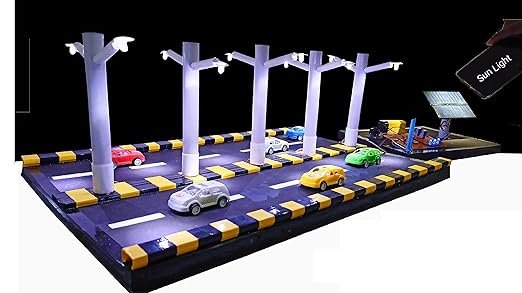
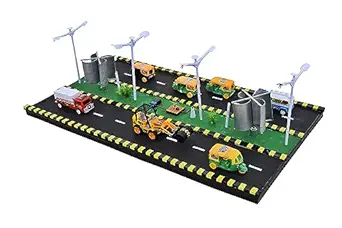
In This Project We show when Day start and sunlight came on solar panel then solar panel convert the sunlight into electricity ,and electricity store in the battery so battery charge that storage electricity power we use night time when sunlight not available ,In This Project we show when sunlight go and darkness come means Night Start The LDR sensor sense the darkness and turn on the street light electricity button so street light on and start glowing and mange road darkness ,So This is Best working Project For showing Solar Charging Base Automatic ON-Off Street Light System and this is 100% full working project so this project idea we can use in real life ,Our Project Idea Is best for showing working project.
Terms & Conditions: Our project kits are designed for educational and demonstration purposes only. The projects created using these kits represent prototype ideas and concepts. They are not ready-to-use real-life products. To use any project in real-world applications, further research, development, and testing may be required. By purchasing this kit, the buyer agrees that the project is intended only for learning and experimental use.
Related Products
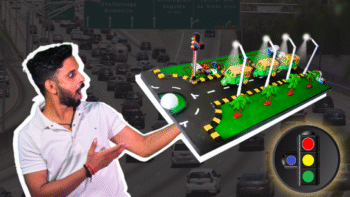
How It Works: Traffic Light Sequence: Our setup uses BC547 transistors to control the traditional red, yellow, and green traffic lights, allowing them to operate in a seamless sequence.
Blue LED Congestion Indicator: The key feature of our system is the blue LED, which lights up to indicate traffic congestion.
IR Sensor Modules: We have installed three IR sensor modules along the road. These sensors detect the presence of vehicles.
Relay Modules: Each IR sensor is connected to a relay module. When all three sensors detect vehicles simultaneously, they activate their respective relays.
Congestion Detection: Once all the relay modules are active, the blue LED lights up, indicating that the road is congested. If any one of the relay modules is inactive, it means there is space on the road, and the blue LED remains off, indicating that traffic is flowing smoothly.
Benefits: This project provides real-time traffic updates, helping drivers make informed decisions and allowing authorities to manage traffic more efficiently.
Terms & Conditions: Our project kits are designed for educational and demonstration purposes only. The projects created using these kits represent prototype ideas and concepts. They are not ready-to-use real-life products. To use any project in real-world applications, further research, development, and testing may be required. By purchasing this kit, the buyer agrees that the project is intended only for learning and experimental use.

“In this video, we introduce a revolutionary concept: the Life-Saving Stick for Farmers. Designed to ensure the safety of farmers working in fields, this stick incorporates a vibration motor and a micro pressure switch. When farmers traverse through their fields, the stick, upon touching the ground, activates the vibration motor through the pressure switch. This vibration, transmitted through the ground, serves as a deterrent for nearby snakes, effectively reducing the risk of snake encounters and ensuring the safety of our farmers.
In this step-by-step DIY guide, we demonstrate how to construct this innovative device, providing detailed instructions and tips for assembly. Join us in empowering farmers with this life-saving technology, enhancing their safety and peace of mind while they work tirelessly to feed our communities.
Terms & Conditions: Our project kits are designed for educational and demonstration purposes only. The projects created using these kits represent prototype ideas and concepts. They are not ready-to-use real-life products. To use any project in real-world applications, further research, development, and testing may be required. By purchasing this kit, the buyer agrees that the project is intended only for learning and experimental use.
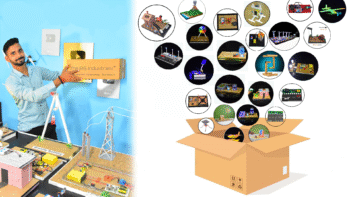
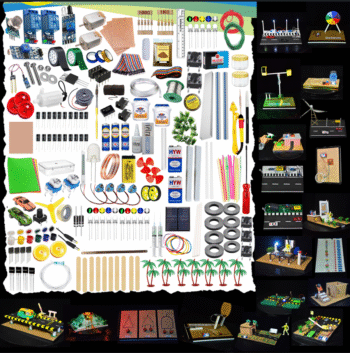
If You want to make more than one project then buy this project kit and Make Any 52 Type of Project by this project kit – For Example – Anti-gravity Structure/Gravity Battery/Tesla Coil/Smart Street Light/Automatic Night Lamp/Windmill Working Model/Solar Tracker/Automatic Hand Wash Machine//Smart Irrigation Project +More
Terms & Conditions: Our project kits are designed for educational and demonstration purposes only. The projects created using these kits represent prototype ideas and concepts. They are not ready-to-use real-life products. To use any project in real-world applications, further research, development, and testing may be required. By purchasing this kit, the buyer agrees that the project is intended only for learning and experimental use.
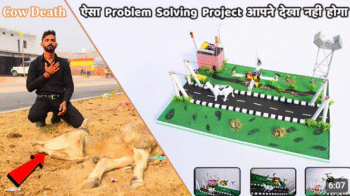
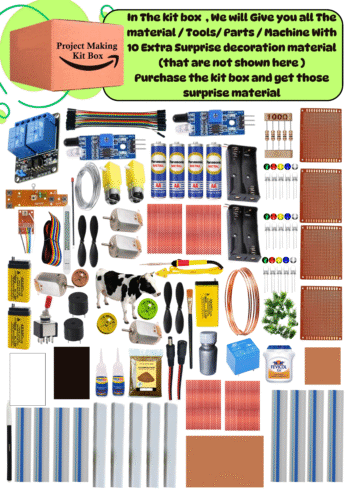
The Cow Drone Safety system is a cutting-edge technology designed to improve the safety and well-being of cattle on farms. By utilizing drones equipped with advanced sensors and monitoring capabilities, this system aims to revolutionize the way farmers manage their livestock. In this project, we will explore the design, functionality, and potential benefits of the Cow Drone Safety system.
Terms & Conditions: Our project kits are designed for educational and demonstration purposes only. The projects created using these kits represent prototype ideas and concepts. They are not ready-to-use real-life products. To use any project in real-world applications, further research, development, and testing may be required. By purchasing this kit, the buyer agrees that the project is intended only for learning and experimental use.
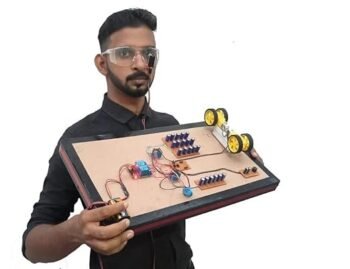
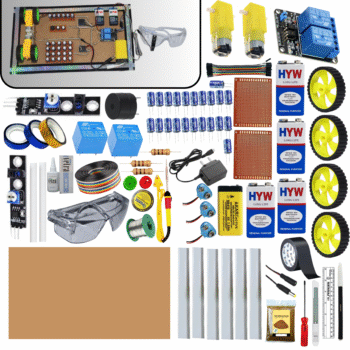
Eyes Blink Sensor: An eyes blink sensor is a device or sensor that detects and monitors the blinking of a person’s eyes. It can be used for various purposes, such as in medical applications, research studies, or even as a personal alert system. When the sensor detects that the person’s eyes are closed or blinking, it triggers a specific action or event, such as sounding an alarm.
Audible Alarm: The sensor is equipped with a sound-generating mechanism that produces an audible alarm when it detects closed or blinking eyes. This alarm sound can be a beep, chime, or any other distinct sound that alerts the user or others in the vicinity.
Safety Applications: The alarm functionality can be particularly useful in safety-critical environments, such as monitoring drivers for signs of drowsiness, operators of heavy machinery, or individuals performing tasks that require sustained focus and attention.
this project use materials name – Glass , Ir Sensor , Pcv Plate , Alarm , 1K resostor , 9v Cap , 9v Battery , Jumper Wire , Glue Road , Soldering Powder , Screwdriver
Terms & Conditions: Our project kits are designed for educational and demonstration purposes only. The projects created using these kits represent prototype ideas and concepts. They are not ready-to-use real-life products. To use any project in real-world applications, further research, development, and testing may be required. By purchasing this kit, the buyer agrees that the project is intended only for learning and experimental use.
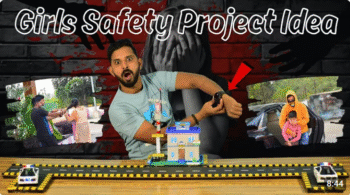
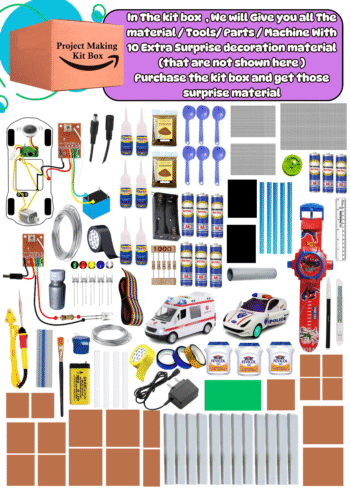
This DIY project features a wearable watch with an RC transmitter that sends emergency signals to the nearest police car, triggering an alarm and red light for immediate response. Perfect for school projects, engineering experiments, DIY enthusiasts, and Inspire Awards. Watch now to see how this low-cost, localized system ensures quick action in emergencies and enhances women’s safety.
Terms & Conditions: Our project kits are designed for educational and demonstration purposes only. The projects created using these kits represent prototype ideas and concepts. They are not ready-to-use real-life products. To use any project in real-world applications, further research, development, and testing may be required. By purchasing this kit, the buyer agrees that the project is intended only for learning and experimental use.
Design and Operation: VAWTs typically consist of two or more blades that rotate around a vertical axis. The blades can have different shapes, such as straight, helical, or S-shaped, and are attached to a central shaft. As the wind blows, the blades capture the kinetic energy and convert it into mechanical rotation, which can then be used to generate electricity through a generator or to perform other tasks directly.
Terms & Conditions: Our project kits are designed for educational and demonstration purposes only. The projects created using these kits represent prototype ideas and concepts. They are not ready-to-use real-life products. To use any project in real-world applications, further research, development, and testing may be required. By purchasing this kit, the buyer agrees that the project is intended only for learning and experimental use.
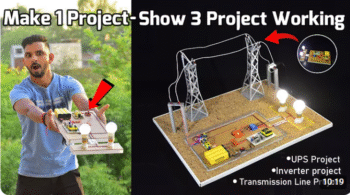
Welcome to our Smart Inverter Project tutorial! In this video, we’ll show you how to build a DIY inverter that provides an automatic power backup solution for your home. If you’re looking for a continuous power supply during outages, this inverter with battery storage will keep your lights on even when the main power goes out.
This project involves creating a smart inverter circuit that can seamlessly switch from AC power to a 12V DC battery when the electricity supply is interrupted. Not only does it ensure uninterrupted power to your 230V AC appliances, but it also recharges the battery when the main power is available.
In this detailed how-to guide, we cover everything from the basic components needed to the step-by-step assembly and testing of the inverter. Plus, we’ll discuss how this inverter system can be adapted for use in transmission lines, ensuring a reliable power supply to cities from substations, even if the main transmission line fails temporarily.
What You’ll Learn in This Video:
Inverter Basics: Understand how an inverter works and the role of battery storage in providing continuous power.
Step-by-Step Construction: Follow our easy instructions to build your own inverter circuit with a 12V DC battery backup.
Automatic Switching: Learn how the inverter automatically switches to battery power during outages and back to AC power when available.
Practical Applications: Discover how this smart inverter system can be used in transmission lines to maintain city power supply during disruptions.
Terms & Conditions: Our project kits are designed for educational and demonstration purposes only. The projects created using these kits represent prototype ideas and concepts. They are not ready-to-use real-life products. To use any project in real-world applications, further research, development, and testing may be required. By purchasing this kit, the buyer agrees that the project is intended only for learning and experimental use.
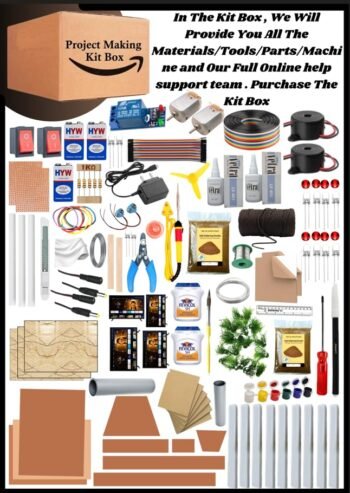
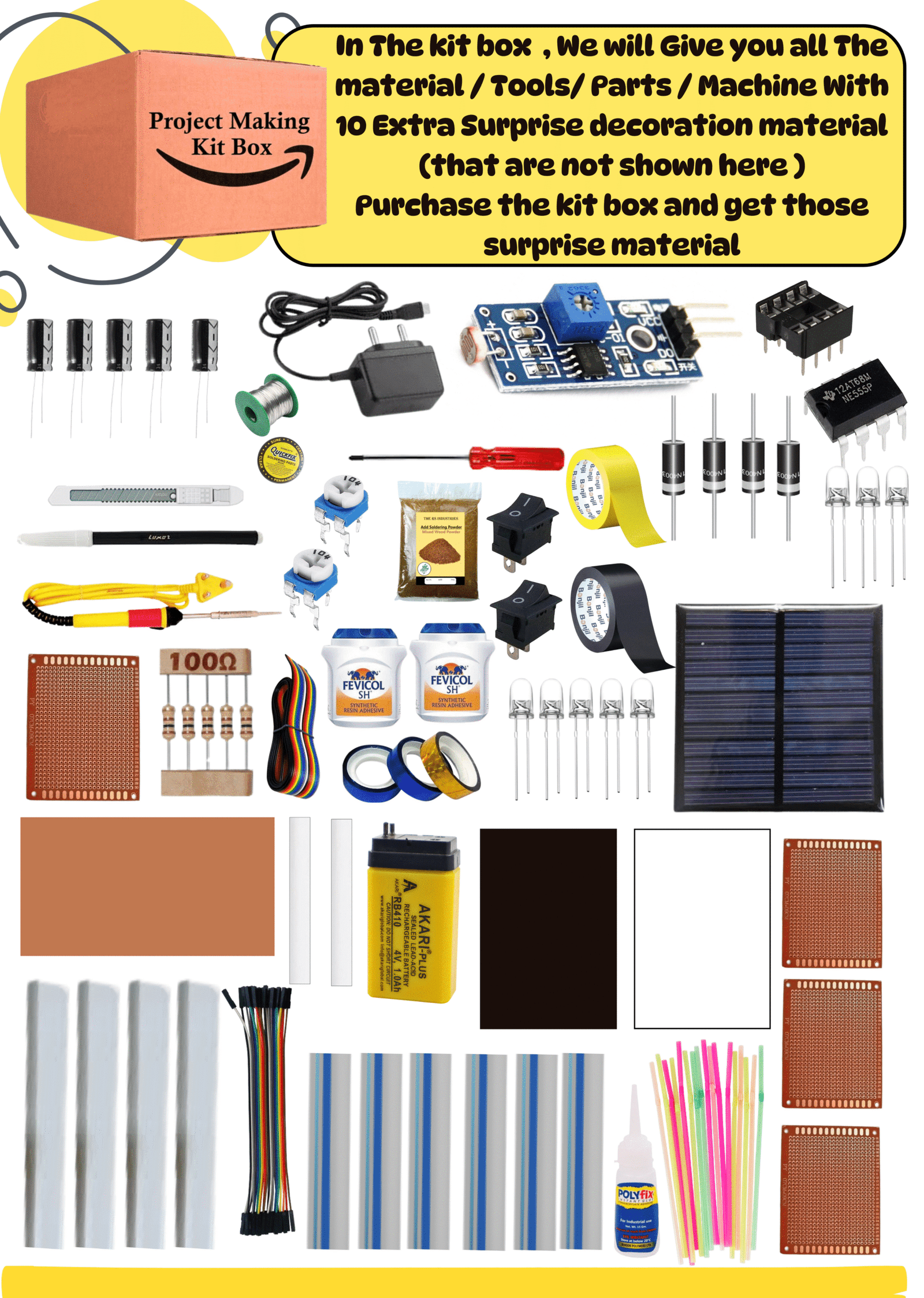
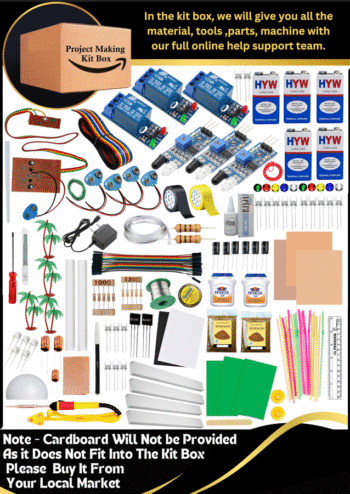
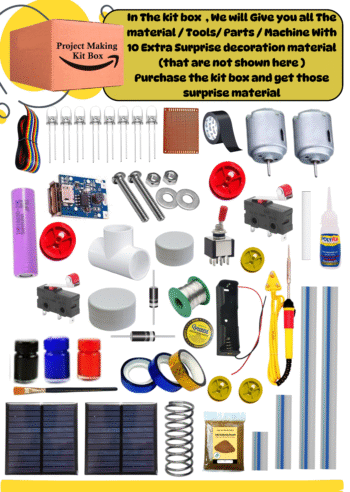
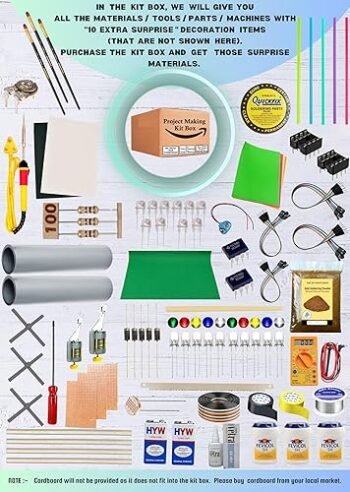
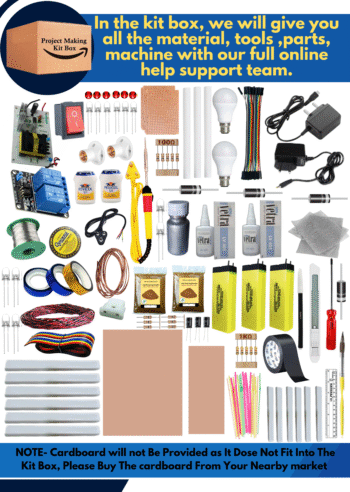
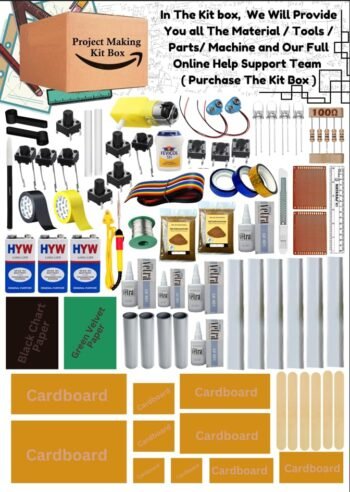
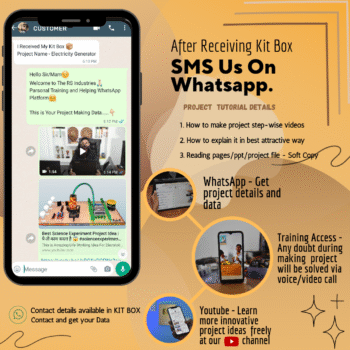
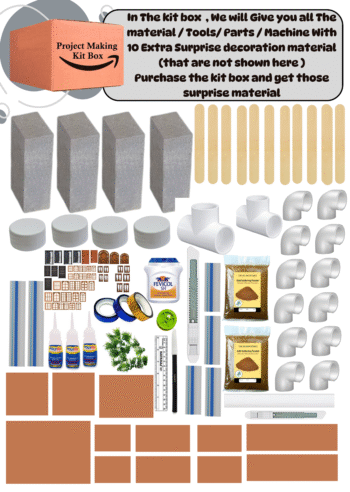
I will Provide You All Components Parts Machine Tools And Decoration Materials Available In Kit Box .I will Provide You Full Step By Step Making Video with 3D Cicuit Diagram , Report File , Synopsis File , PPT
Terms & Conditions: Our project kits are designed for educational and demonstration purposes only. The projects created using these kits represent prototype ideas and concepts. They are not ready-to-use real-life products. To use any project in real-world applications, further research, development, and testing may be required. By purchasing this kit, the buyer agrees that the project is intended only for learning and experimental use.

Terms & Conditions: Our project kits are designed for educational and demonstration purposes only. The projects created using these kits represent prototype ideas and concepts. They are not ready-to-use real-life products. To use any project in real-world applications, further research, development, and testing may be required. By purchasing this kit, the buyer agrees that the project is intended only for learning and experimental use.
Generate Electricity By Waste Materials
Inspire Award Project Kit Box
Generate Electricity By Plastic
Electrical Engineering Project Kit Box
Free Energy Project Kit Box
Terms & Conditions: Our project kits are designed for educational and demonstration purposes only. The projects created using these kits represent prototype ideas and concepts. They are not ready-to-use real-life products. To use any project in real-world applications, further research, development, and testing may be required. By purchasing this kit, the buyer agrees that the project is intended only for learning and experimental use.
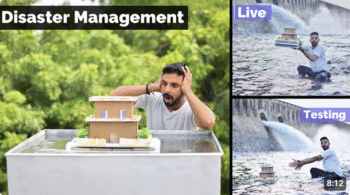
In this video, I demonstrate how to create a floating house using ACC blocks (Autoclaved Aerated Concrete blocks) and a cardboard house. I built the base of the house with ACC blocks, which are lightweight and float on water. When placed in a water tank, the house’s height automatically rises with the water level, preventing it from sinking. This project shows how real-life houses can be designed to stay afloat during heavy rainfall or floods, offering a solution for disaster management in flood-prone areas. The idea behind this floating house concept is to build homes that automatically adjust their height based on the rising water levels, ensuring that they do not get submerged during extreme weather conditions.
This floating house project is a great idea for those interested in science experiments, civil engineering projects, or innovative disaster management solutions. Whether you’re a student, a science enthusiast, or someone looking for unique school projects, this video will help you understand the concept of a floating house and its potential use in real life. Watch the full video to see how you can make this project at home and learn about flood-resistant house designs.
Terms & Conditions: Our project kits are designed for educational and demonstration purposes only. The projects created using these kits represent prototype ideas and concepts. They are not ready-to-use real-life products. To use any project in real-world applications, further research, development, and testing may be required. By purchasing this kit, the buyer agrees that the project is intended only for learning and experimental use.
Reviews
There are no reviews yet.