


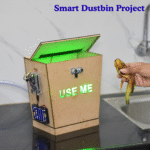



Arduino Ultrasonic Sensor Project Touchless Smart Dustbin
The Smart Dustbin is an Arduino-based automatic waste bin that opens its lid automatically when someone comes near it using an ultrasonic sensor and servo motor. A green LED light glows with the message “USE ME” to guide users. This touchless system promotes hygiene, reduces manual contact, and encourages cleanliness in homes and public areas.
Original price was: ₹3,999.00.₹3,000.00Current price is: ₹3,000.00.
The Smart Dustbin is an innovative and problem-solving idea designed to promote cleanliness and hygiene in homes and public places. This system uses modern technology to make waste disposal more convenient and automatic. When a person comes within 1 meter of the dustbin, a “USE ME” green LED light glows, helping people easily locate the dustbin and reminding them to use it. As someone approaches to throw waste, the lid automatically opens using a servo motor controlled by an Arduino Uno and ultrasonic sensor, allowing users to dispose of waste without touching the bin. This helps maintain hygiene and encourages people to use dustbins regularly, supporting a cleaner and smarter environment.
Related Products
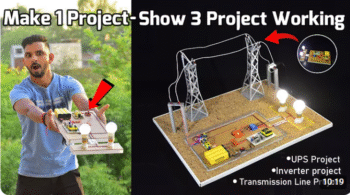
Welcome to our Smart Inverter Project tutorial! In this video, we’ll show you how to build a DIY inverter that provides an automatic power backup solution for your home. If you’re looking for a continuous power supply during outages, this inverter with battery storage will keep your lights on even when the main power goes out.
This project involves creating a smart inverter circuit that can seamlessly switch from AC power to a 12V DC battery when the electricity supply is interrupted. Not only does it ensure uninterrupted power to your 230V AC appliances, but it also recharges the battery when the main power is available.
In this detailed how-to guide, we cover everything from the basic components needed to the step-by-step assembly and testing of the inverter. Plus, we’ll discuss how this inverter system can be adapted for use in transmission lines, ensuring a reliable power supply to cities from substations, even if the main transmission line fails temporarily.
What You’ll Learn in This Video:
Inverter Basics: Understand how an inverter works and the role of battery storage in providing continuous power.
Step-by-Step Construction: Follow our easy instructions to build your own inverter circuit with a 12V DC battery backup.
Automatic Switching: Learn how the inverter automatically switches to battery power during outages and back to AC power when available.
Practical Applications: Discover how this smart inverter system can be used in transmission lines to maintain city power supply during disruptions.
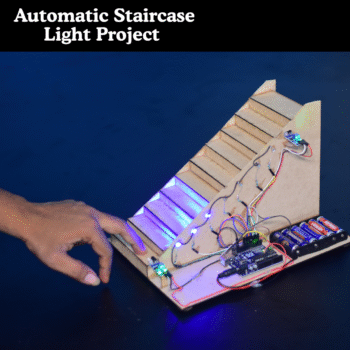
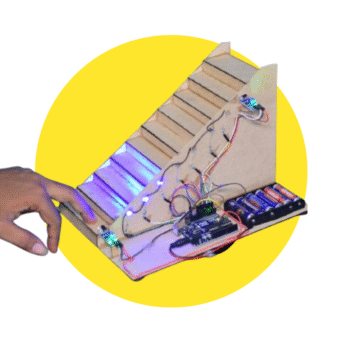
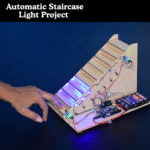
The Automatic Staircase Lighting System is an Arduino-based project that uses IR sensors to detect movement and control LED lights automatically. When a person steps on the first or last stair, the lights turn on and switch off after crossing, saving energy and enhancing safety. Ideal for homes, malls, parks, and public places.

Introduction: We have developed this project based on India’s Chandrayaan mission. This project is a part of a professional and technical campaign showcasing India’s presence in international space exploration. In this project, we have created a model based on the fundamental concepts of the Chandrayaan mission.
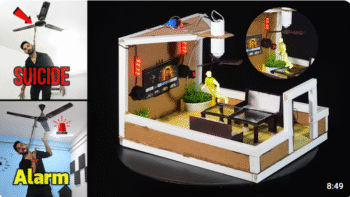

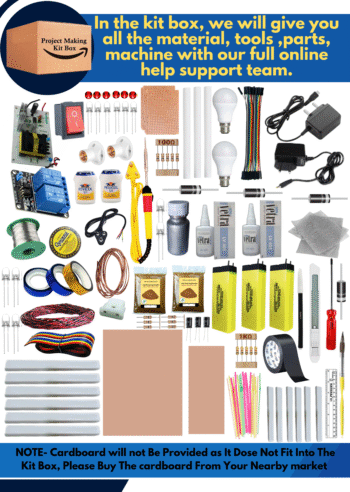
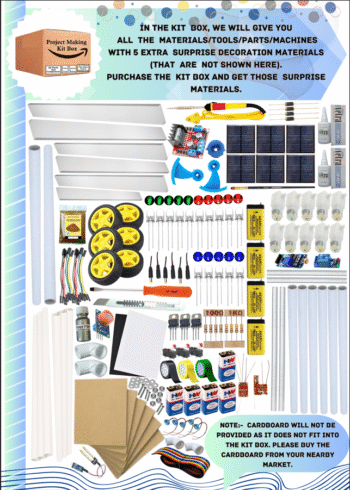
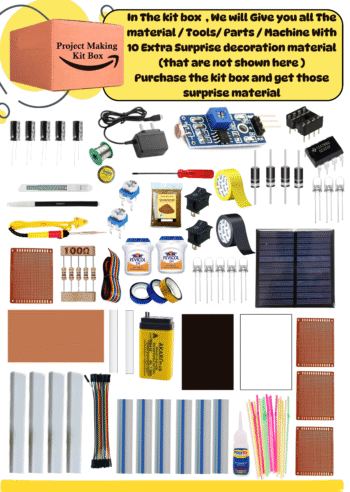
I will Provide You All Components Parts Machine Tools And Decoration Materials Available In Kit Box .I will Provide You Full Step By Step Making Video with 3D Cicuit Diagram , Report File , Synopsis File , PPT
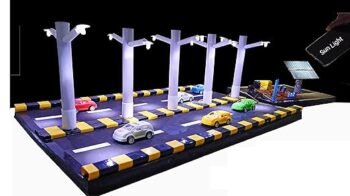
Solar Street Light School Science Project
Solar Street Light Project
LDR Solar Street Light
Automatic On/Off Solar Street Light
Automatic Solar Street Light School Science Project


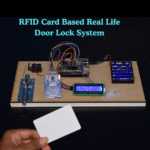
This Arduino RFID Access Control System uses an RC522 module to read card UIDs, an I2C LCD to display messages, and a servo motor to open or close the door automatically. A blue LED indicates card detection. It’s a simple, low-cost security project ideal for beginners in IoT and electronics.
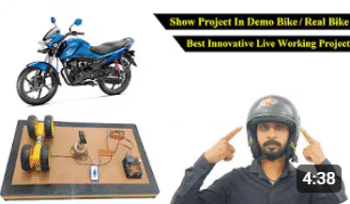
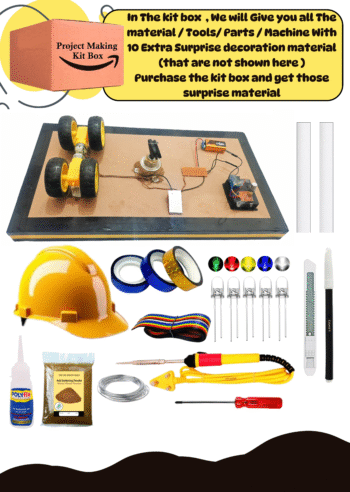
The name of this project is safety helmet. Mainly work of this project is safety of a rider. We make a connection between bike and helmet by using the sensors. When rider will wear the helmet then our bike start. If the rider will not wear the helmet then bike will not start. We use the indication system in the helmet also. Indication system will show you wear the helmet properly or not. So it’s good for safety purpose and we safe it from thief also. Because without helmet bike will not start.
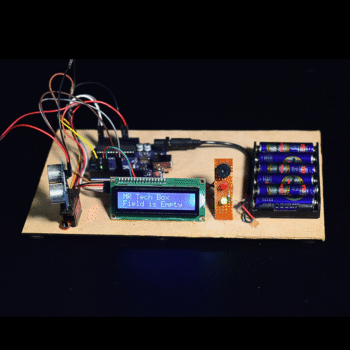
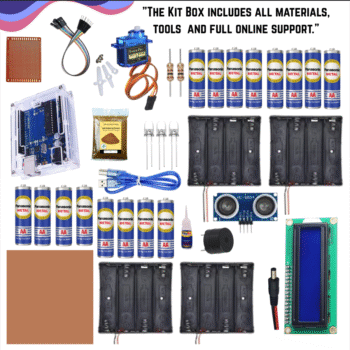
This project is based on an Object Detection Radar System which uses an Ultrasonic Sensor mounted on a Servo Motor controlled by an Arduino Uno. The servo motor continuously rotates from 0° to 180° to scan the surroundings, similar to a radar system. When any object comes within the sensing range (40 cm), the ultrasonic sensor detects it, and the servo motor immediately stops at that specific angle. The system then displays the detected object’s distance and angle on the I2C Display.

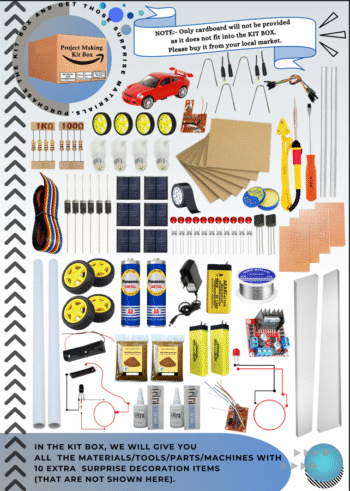
1. Introduction: In today’s world, the growing concern for environmental sustainability has led to the development of renewable energy solutions. Electric vehicles (EVs) have gained popularity as an eco-friendly alternative to traditional gasoline-powered cars. However, one of the challenges faced by EV owners is the limited range due to battery constraints. To address this issue, we have developed a groundbreaking project – a solar-powered wireless charging system that can provide emergency charging to electric vehicles using a remote-controlled (RC) robotic car.

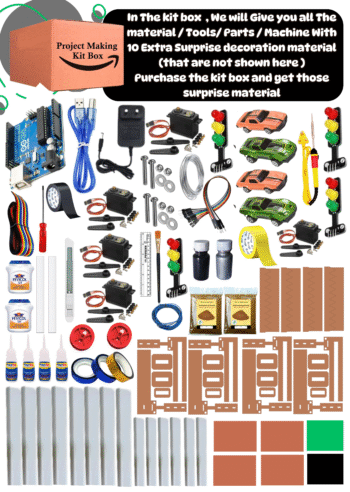
In this project, you will see a 4-way traffic light control system with an advanced safety feature – traffic spikes/barriers. When the signal is red, the spikes stay up to stop vehicles from breaking rules. If anyone tries to cross, their vehicle can get a flat tyre. 🚗❌ When the light turns green, the spikes go down, and vehicles can move safely.
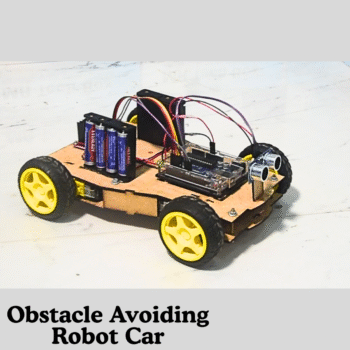
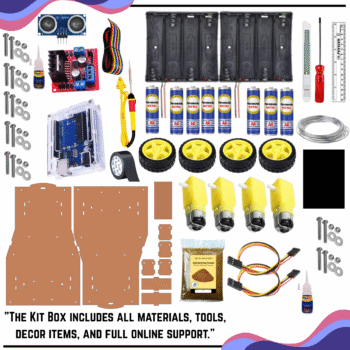
The Arduino-Based Obstacle Avoiding Robot Car is an innovative project designed to demonstrate how automation and sensors can be used for smart navigation. This car is capable of moving automatically without colliding with any obstacles. It is built using an Arduino Uno, Ultrasonic Sensor, L298 Motor Driver Module, 4 BO Motors with Wheels, and a 12V Battery. The body of the car is handmade from hard cardboard, showcasing creativity and engineering skills.

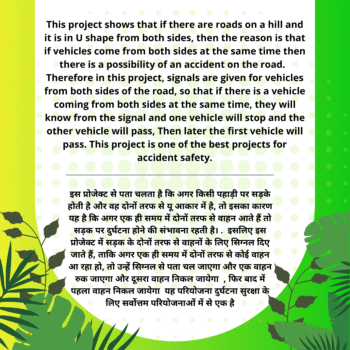
IR Sensor: The IR sensor is used to detect the presence of a vehicle. When a vehicle enters the range of the sensor, it detects its presence. Relay Module: The relay module is used to control the system. Once the IR sensor detects a vehicle, it sends a signal to the relay module, which in turn activates the LED bulb and alarm. LED Bulb: The LED bulb is used to indicate the presence of a vehicle coming from the opposite side. When a vehicle is detected by the IR sensor, the LED bulb on the other side turns on, alerting drivers. Alarm: The alarm sounds to provide a warning of the vehicle’s approach, ensuring further attention and safety. Wiring and Connections:
Working Principle: When a vehicle enters the range of the IR sensor, the sensor detects its presence. The IR sensor sends a signal to the relay module. The relay module then activates the LED bulb and alarm on the opposite side. The alarm and LED bulb warn the drivers that a vehicle is approaching.
Objectives: Enhance road safety by alerting drivers about vehicles approaching from the opposite side. Prevent traffic accidents, especially in areas with limited visibility. Create a simple and cost-effective vehicle detection system for traffic monitoring.
Expected Outcomes: Early warning system for approaching vehicles, giving drivers more time to react. Improved awareness and timely responses from drivers to avoid accidents. Efficient use of sensors and alarms to ensure smooth traffic flow and safety.
Applications: Safety alert system on narrow roads or blind spots. Traffic control at signal points or crossing areas. Monitoring vehicles in industrial areas or warehouses where safety is critical.
Future Improvements: Use of advanced sensors (e.g., ultrasonic) for better accuracy. Integration with traffic signal systems for automated control. Solar-powered systems for cost-effective outdoor applications.
Reviews
There are no reviews yet.