

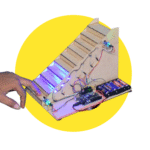


Automatic Staircase Lighting System Home Automation Using Arduino

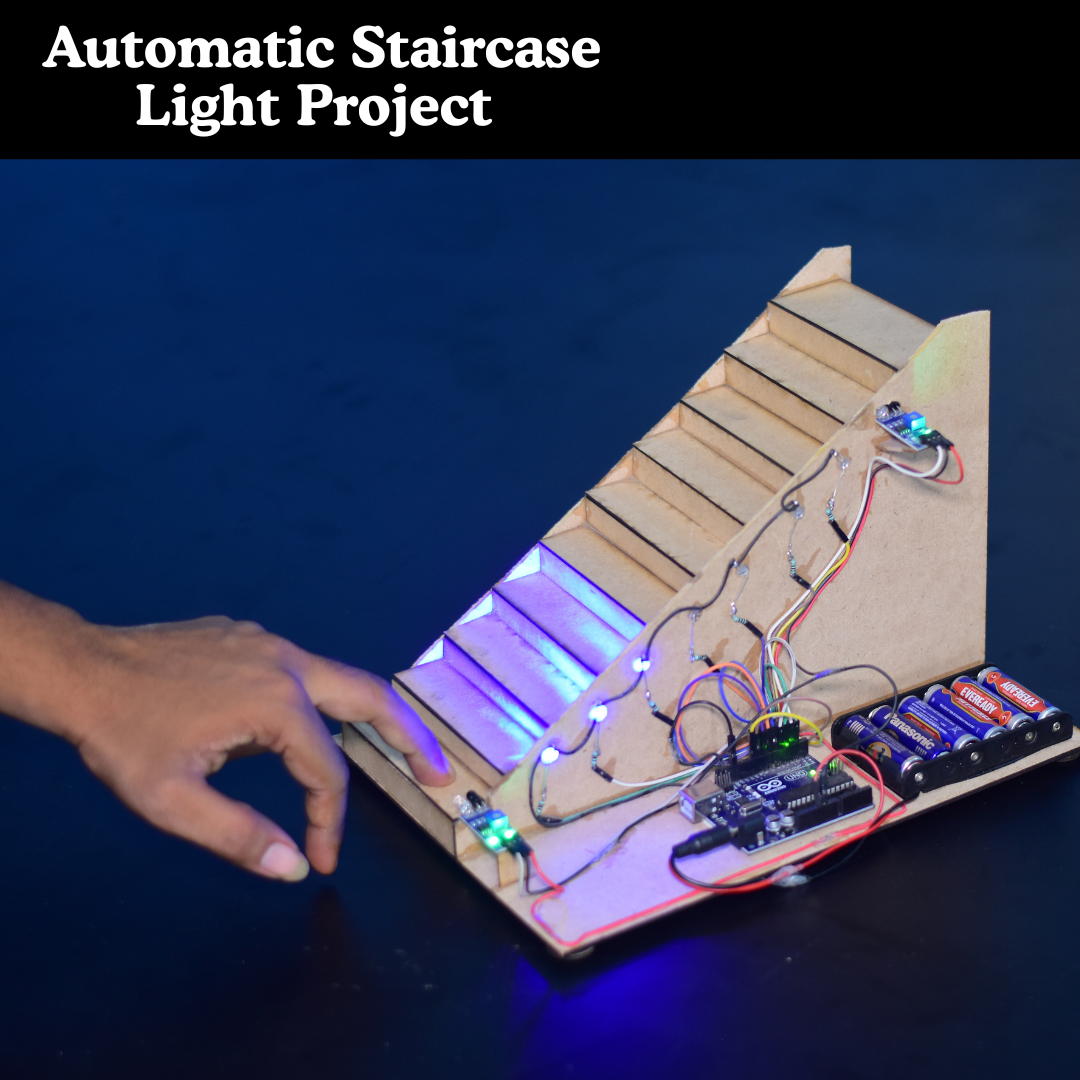
The Automatic Staircase Lighting System is an Arduino-based project that uses IR sensors to detect movement and control LED lights automatically. When a person steps on the first or last stair, the lights turn on and switch off after crossing, saving energy and enhancing safety. Ideal for homes, malls, parks, and public places.
Original price was: ₹3,999.00.₹3,000.00Current price is: ₹3,000.00.
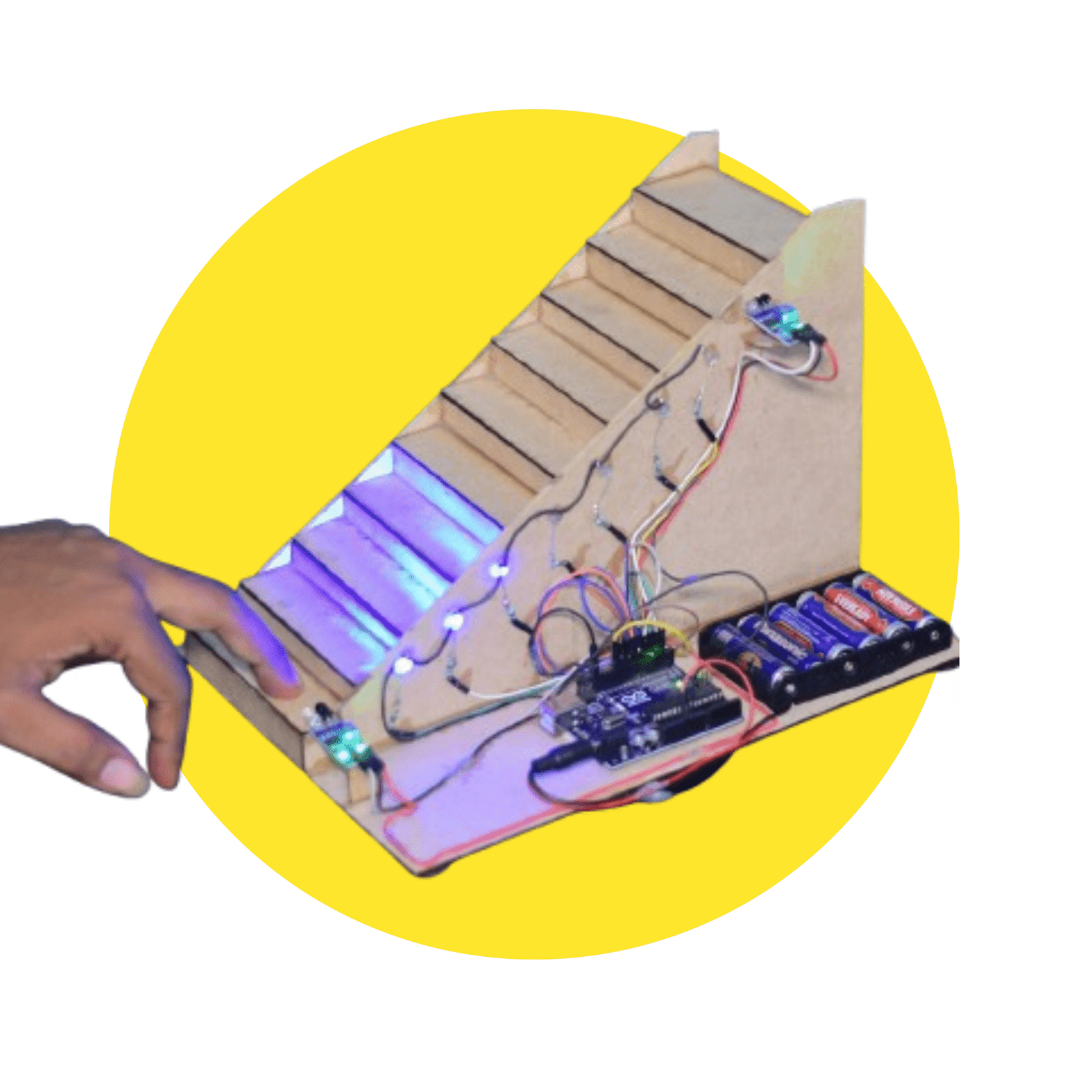
This project is an Automatic Staircase Lighting System designed using Arduino Uno, IR sensors, and LED bulbs. The system automatically turns on the staircase lights only when someone steps on the first or last stair and turns them off once the person crosses the staircase. This smart setup helps save electricity by ensuring the lights remain on
only when in use,
making it
ideal for places like
homes, malls, parks,
and railway stations.
Related Products
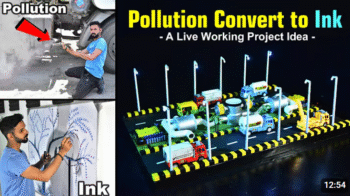
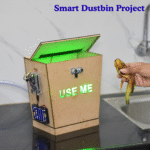
Objective: To mitigate air pollution by capturing vehicle emissions and converting them into usable ink.
Technology Used: Carbon filters integrated into vehicles to capture emitted smoke particles.
Conversion Process: Smoke particles trapped by filters are processed to extract carbon-based materials suitable for ink production.

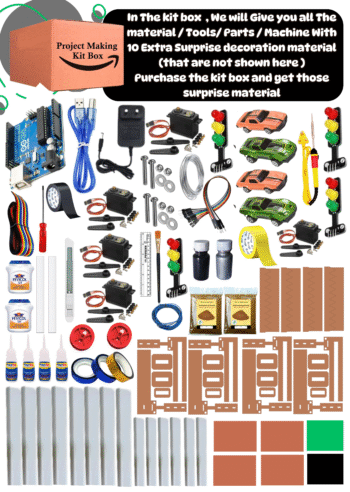
In this project, you will see a 4-way traffic light control system with an advanced safety feature – traffic spikes/barriers. When the signal is red, the spikes stay up to stop vehicles from breaking rules. If anyone tries to cross, their vehicle can get a flat tyre. 🚗❌ When the light turns green, the spikes go down, and vehicles can move safely.
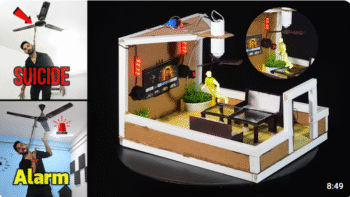

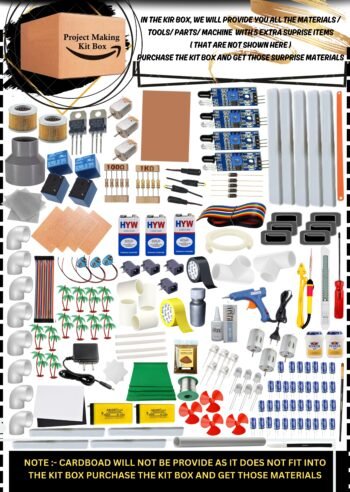
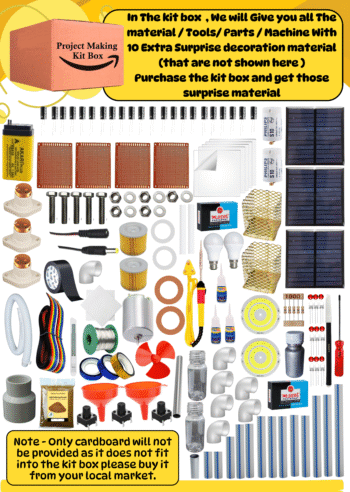
I will Provide You All Components Parts Machine Tools And Decoration Materials Available In Kit Box .I will Provide You Full Step By Step Making Video with 3D Cicuit Diagram , Report File , Synopsis File , PPT
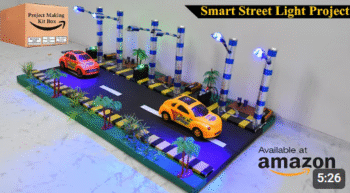
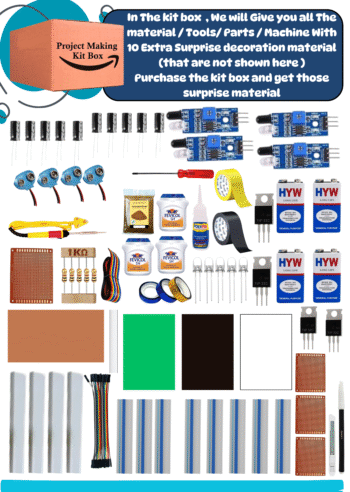
Smart Street Light project
Automatic Street Light project kit Box
IR Sensor Street Light Project Kit Box
Inspire Award Project Kit Box
Street Light Project
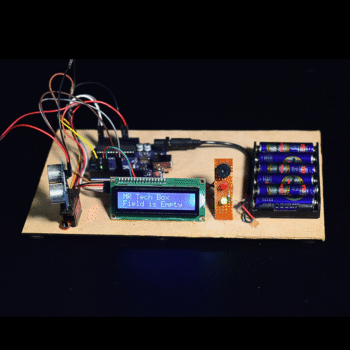
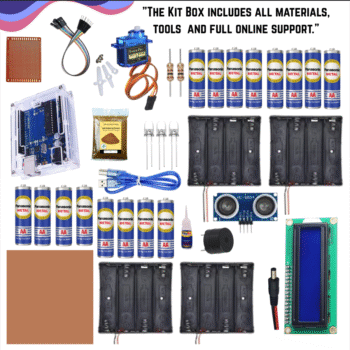
This project is based on an Object Detection Radar System which uses an Ultrasonic Sensor mounted on a Servo Motor controlled by an Arduino Uno. The servo motor continuously rotates from 0° to 180° to scan the surroundings, similar to a radar system. When any object comes within the sensing range (40 cm), the ultrasonic sensor detects it, and the servo motor immediately stops at that specific angle. The system then displays the detected object’s distance and angle on the I2C Display.

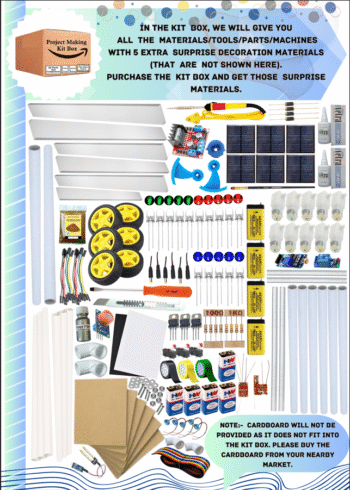
Introduction: We have developed this project based on India’s Chandrayaan mission. This project is a part of a professional and technical campaign showcasing India’s presence in international space exploration. In this project, we have created a model based on the fundamental concepts of the Chandrayaan mission.
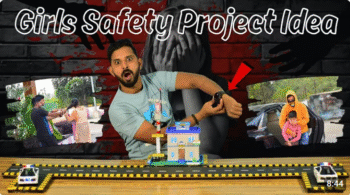
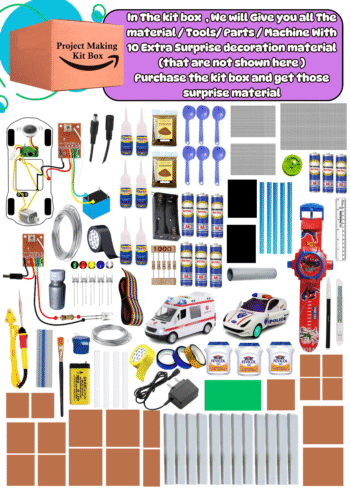
This DIY project features a wearable watch with an RC transmitter that sends emergency signals to the nearest police car, triggering an alarm and red light for immediate response. Perfect for school projects, engineering experiments, DIY enthusiasts, and Inspire Awards. Watch now to see how this low-cost, localized system ensures quick action in emergencies and enhances women’s safety.
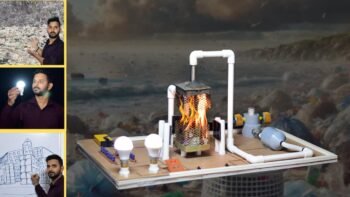
Project Key Features: Waste Plastic Bag Collection: Plastic bags, which are typically waste material, are collected to prevent them from polluting the environment.
Electricity Generation: The plastic bags are burned to generate electricity. This process contributes to renewable energy production.
Pollution Control and Ink Production: The emissions released during the burning process are filtered and treated to create high-quality ink in an eco-friendly manner.
Road Construction Using Waste Materials: Recycled plastic bags and other waste materials are used to build sustainable roads. These roads are more durable and require less maintenance than traditional roads.
Environmental Benefits: The project helps reduce environmental pollution by efficiently managing waste and generating clean energy.
Economic Value: The recycling of plastic adds economic value, benefiting local economies and creating new jobs.
Sustainable Future: The project aims to create a more sustainable and eco-friendly future, where waste is properly utilized and environmental harm is minimized.
Project Benefits: Waste Management: Efficient disposal and utilization of waste plastic bags. Energy Generation: Clean, renewable energy production. Pollution Reduction: Emissions are controlled, and ink is produced in a safer, environmentally friendly way. Cost-Effective Infrastructure: Roads built from recycled materials are cost-effective and long-lasting. Environmental Impact: Reduces carbon footprint by providing eco-friendly solutions. This project offers a new perspective on waste management and sustainability, providing positive environmental impacts while supporting economic growth.
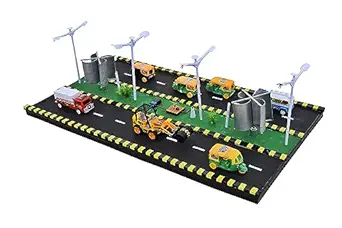

Design and Operation: VAWTs typically consist of two or more blades that rotate around a vertical axis. The blades can have different shapes, such as straight, helical, or S-shaped, and are attached to a central shaft. As the wind blows, the blades capture the kinetic energy and convert it into mechanical rotation, which can then be used to generate electricity through a generator or to perform other tasks directly.

IR Sensor: The IR sensor is used to detect the presence of a vehicle. When a vehicle enters the range of the sensor, it detects its presence. Relay Module: The relay module is used to control the system. Once the IR sensor detects a vehicle, it sends a signal to the relay module, which in turn activates the LED bulb and alarm. LED Bulb: The LED bulb is used to indicate the presence of a vehicle coming from the opposite side. When a vehicle is detected by the IR sensor, the LED bulb on the other side turns on, alerting drivers. Alarm: The alarm sounds to provide a warning of the vehicle’s approach, ensuring further attention and safety. Wiring and Connections:
Working Principle: When a vehicle enters the range of the IR sensor, the sensor detects its presence. The IR sensor sends a signal to the relay module. The relay module then activates the LED bulb and alarm on the opposite side. The alarm and LED bulb warn the drivers that a vehicle is approaching.
Objectives: Enhance road safety by alerting drivers about vehicles approaching from the opposite side. Prevent traffic accidents, especially in areas with limited visibility. Create a simple and cost-effective vehicle detection system for traffic monitoring.
Expected Outcomes: Early warning system for approaching vehicles, giving drivers more time to react. Improved awareness and timely responses from drivers to avoid accidents. Efficient use of sensors and alarms to ensure smooth traffic flow and safety.
Applications: Safety alert system on narrow roads or blind spots. Traffic control at signal points or crossing areas. Monitoring vehicles in industrial areas or warehouses where safety is critical.
Future Improvements: Use of advanced sensors (e.g., ultrasonic) for better accuracy. Integration with traffic signal systems for automated control. Solar-powered systems for cost-effective outdoor applications.
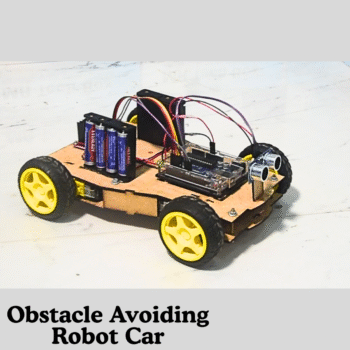
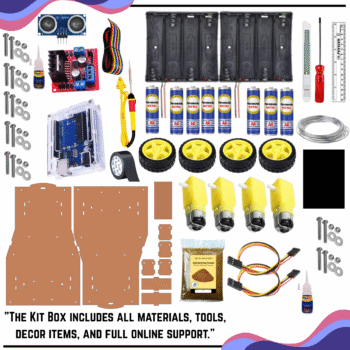
The Arduino-Based Obstacle Avoiding Robot Car is an innovative project designed to demonstrate how automation and sensors can be used for smart navigation. This car is capable of moving automatically without colliding with any obstacles. It is built using an Arduino Uno, Ultrasonic Sensor, L298 Motor Driver Module, 4 BO Motors with Wheels, and a 12V Battery. The body of the car is handmade from hard cardboard, showcasing creativity and engineering skills.
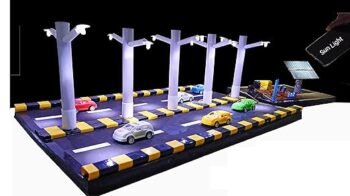
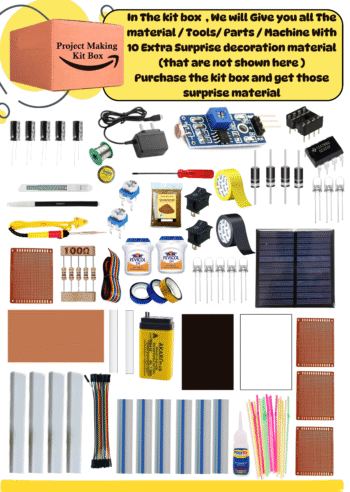
Solar Street Light School Science Project
Solar Street Light Project
LDR Solar Street Light
Automatic On/Off Solar Street Light
Automatic Solar Street Light School Science Project
Reviews
There are no reviews yet.