



Solar Tracker Street Light Project/Best Electricial Final Years Project


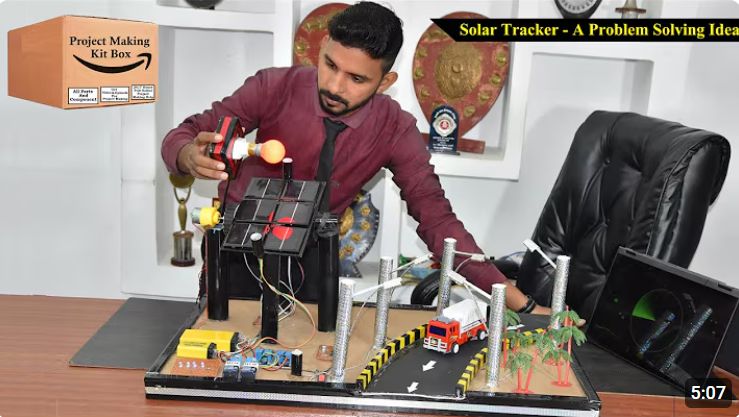
Solar tracker, a system that positions an object at an angle relative to the Sun. The most-common applications for solar trackers are positioning photovoltaic (PV) panels (solar panels) so that they remain perpendicular to the Sun’s rays and positioning space telescopes so that they can determine the Sun’s direction. PV solar trackers adjust the direction that a solar panel is facing according to the position of the Sun in the sky. By keeping the panel perpendicular to the Sun, more sunlight strikes the solar panel, less light is reflected, and more energy is absorbed. That energy can be converted into power and we store that power to battery in this project and when sunlight not available night start that time automatic that store power go to street light and street light On and street light glowing in night time by store solar tracker power .
Original price was: ₹4,999.00.₹3,999.00Current price is: ₹3,999.00.
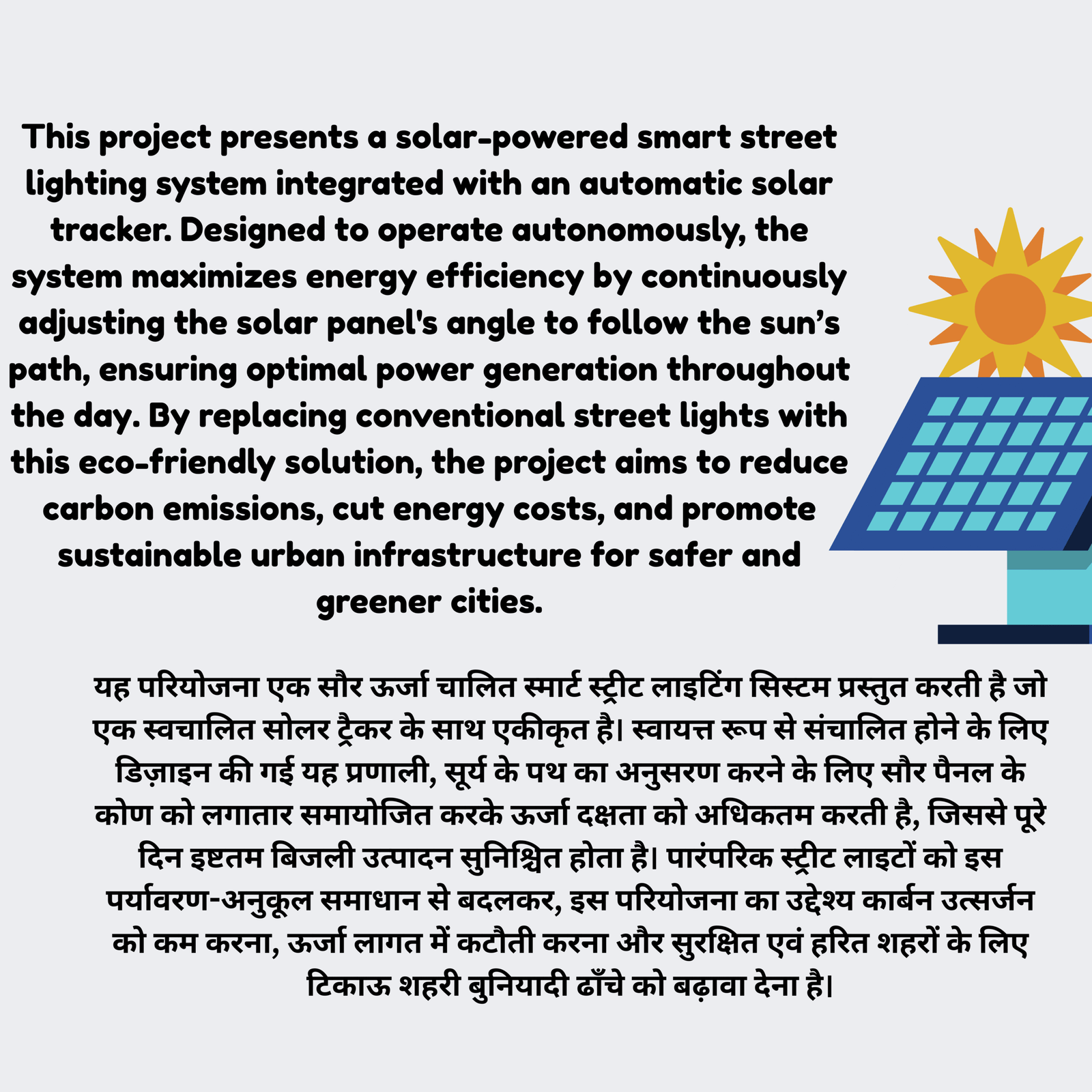
This project presents a solar-powered smart street lighting system integrated with an automatic solar tracker. Designed to operate autonomously, the system maximizes energy efficiency by continuously adjusting the solar panel’s angle to follow the sun’s path, ensuring optimal power generation throughout the day. By replacing conventional street lights with this eco-friendly solution, the project aims to reduce carbon emissions, cut energy costs, and promote sustainable urban infrastructure for safer and greener cities.
Related Products
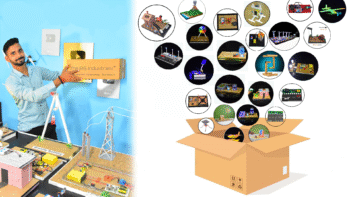
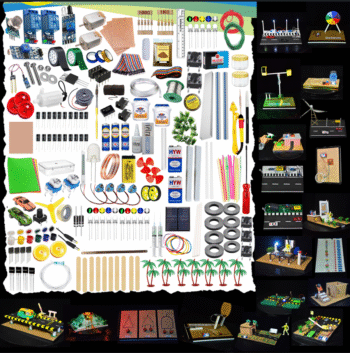
If You want to make more than one project then buy this project kit and Make Any 52 Type of Project by this project kit – For Example – Anti-gravity Structure/Gravity Battery/Tesla Coil/Smart Street Light/Automatic Night Lamp/Windmill Working Model/Solar Tracker/Automatic Hand Wash Machine//Smart Irrigation Project +More

Introduction: We have developed this project based on India’s Chandrayaan mission. This project is a part of a professional and technical campaign showcasing India’s presence in international space exploration. In this project, we have created a model based on the fundamental concepts of the Chandrayaan mission.
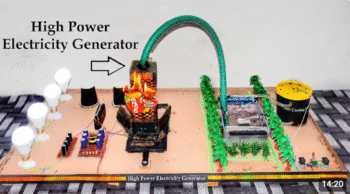

Generate Electricity By Waste Materials
Inspire Award Project Kit Box
Generate Electricity By Plastic
Electrical Engineering Project Kit Box
Free Energy Project Kit Box
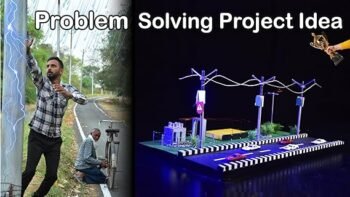
The Problem: Electrical poles, being integral components of power distribution networks, are susceptible to various faults, including short circuits. These faults pose significant dangers to both nearby individuals and the infrastructure itself. However, identifying when a pole is experiencing a fault, especially during adverse weather conditions like rain, can be challenging.
The Solution: Our project introduces a visual indicator system designed to promptly notify observers when a fault occurs in an electrical pole. This system consists of a small strip affixed to the pole, divided into two distinct colors: green and red. During normal operating conditions, when no fault is present, the strip remains green, indicating that the pole is functioning safely. However, when a fault such as a short circuit occurs, the strip promptly changes its color from green to red, si
How it Works: The indicator strip is equipped with sensors capable of detecting abnormal electrical activity, such as an increase in current flow due to a short circuit. Upon detecting such an anomaly, the sensor triggers the color change mechanism, causing the strip to transition from green to red. This visual change serves as an immediate warning sign to anyone in the vicinity that the pole is experiencing a fault and should be avoided.
Benefits: Enhanced Safety: By providing a clear visual indication of faults, the system helps prevent accidents and injuries caused by inadvertent contact with electrified poles. Timely Response: Prompt identification of faults enables swift corrective action, minimizing downtime and potential damage to the electrical infrastructure. User-Friendly: The simplicity of the color-changing indicator strip ensures that it is easily understandable by individuals of all backgrounds and levels of expert

Introduction Of Project In This Project We show when vehicle cross the rood then breaker move and generate electricity ( here we convert mechanical power to electrical power ) so when electricity generate that electricity we store in battery and when night start that time that store power automatic go to street light and street light glowing so in this project we show how to generate electricity by speed breaker , If You Want to Only Watch Full Making Video Of Project Step by Step With Project File and Synopsis file.
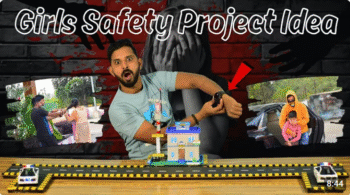
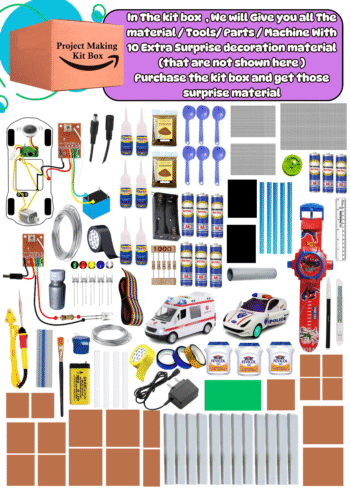
This DIY project features a wearable watch with an RC transmitter that sends emergency signals to the nearest police car, triggering an alarm and red light for immediate response. Perfect for school projects, engineering experiments, DIY enthusiasts, and Inspire Awards. Watch now to see how this low-cost, localized system ensures quick action in emergencies and enhances women’s safety.
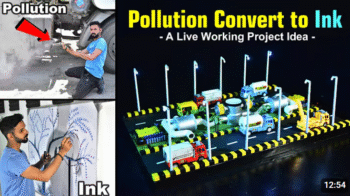
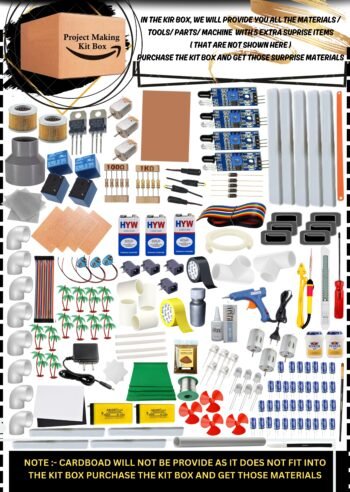
Objective: To mitigate air pollution by capturing vehicle emissions and converting them into usable ink.
Technology Used: Carbon filters integrated into vehicles to capture emitted smoke particles.
Conversion Process: Smoke particles trapped by filters are processed to extract carbon-based materials suitable for ink production.
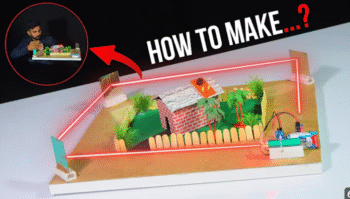
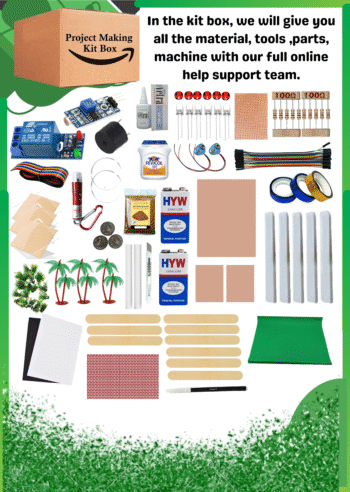
How It Works: Laser Beam Setup: A laser torch emits a beam that travels across the area by reflecting off three strategically placed mirrors (glasses). This configuration creates a continuous laser barrier around the perimeter of a model house or any area you wish to secure.
LDR Detection: The laser beam ultimately hits an LDR module, which is sensitive to light. As long as the laser beam is unbroken and falls on the LDR, the system remains in a passive state, with no alarm triggered.
Relay and Buzzer Activation: The LDR is connected to a single-channel relay module that controls a 9V buzzer. If the laser beam is interrupted, the LDR detects a change in light intensity, signaling the relay to activate the buzzer. This results in an audible alarm that warns you of the potential intrusion.
Unauthorized Entry Alert: The alarm is designed to activate whenever there is an obstruction in the laser path, such as someone entering the secured area without permission. This feature provides a simple yet effective means of safeguarding your space.
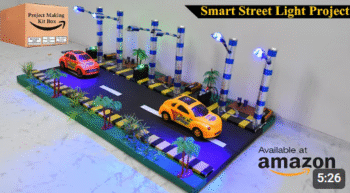
Smart Street Light project
Automatic Street Light project kit Box
IR Sensor Street Light Project Kit Box
Inspire Award Project Kit Box
Street Light Project
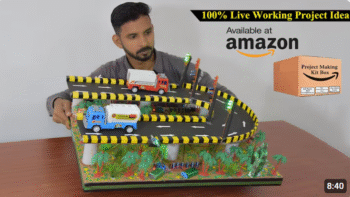
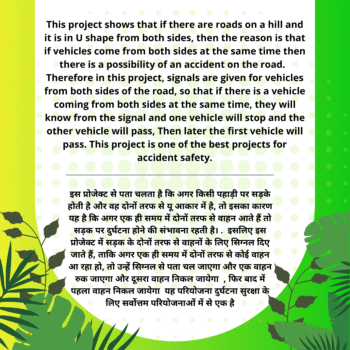
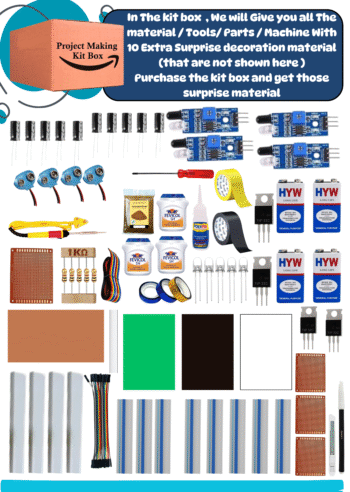
IR Sensor: The IR sensor is used to detect the presence of a vehicle. When a vehicle enters the range of the sensor, it detects its presence. Relay Module: The relay module is used to control the system. Once the IR sensor detects a vehicle, it sends a signal to the relay module, which in turn activates the LED bulb and alarm. LED Bulb: The LED bulb is used to indicate the presence of a vehicle coming from the opposite side. When a vehicle is detected by the IR sensor, the LED bulb on the other side turns on, alerting drivers. Alarm: The alarm sounds to provide a warning of the vehicle’s approach, ensuring further attention and safety. Wiring and Connections:
Working Principle: When a vehicle enters the range of the IR sensor, the sensor detects its presence. The IR sensor sends a signal to the relay module. The relay module then activates the LED bulb and alarm on the opposite side. The alarm and LED bulb warn the drivers that a vehicle is approaching.
Objectives: Enhance road safety by alerting drivers about vehicles approaching from the opposite side. Prevent traffic accidents, especially in areas with limited visibility. Create a simple and cost-effective vehicle detection system for traffic monitoring.
Expected Outcomes: Early warning system for approaching vehicles, giving drivers more time to react. Improved awareness and timely responses from drivers to avoid accidents. Efficient use of sensors and alarms to ensure smooth traffic flow and safety.
Applications: Safety alert system on narrow roads or blind spots. Traffic control at signal points or crossing areas. Monitoring vehicles in industrial areas or warehouses where safety is critical.
Future Improvements: Use of advanced sensors (e.g., ultrasonic) for better accuracy. Integration with traffic signal systems for automated control. Solar-powered systems for cost-effective outdoor applications.

1. Introduction: In today’s world, the growing concern for environmental sustainability has led to the development of renewable energy solutions. Electric vehicles (EVs) have gained popularity as an eco-friendly alternative to traditional gasoline-powered cars. However, one of the challenges faced by EV owners is the limited range due to battery constraints. To address this issue, we have developed a groundbreaking project – a solar-powered wireless charging system that can provide emergency charging to electric vehicles using a remote-controlled (RC) robotic car.
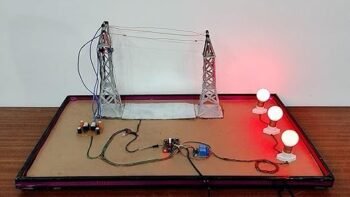

Transmission Line Fault Detection Project
Electrical Engineering Project Making Kit Box
Fault Detection In Transmission Line Project
Line To Ground Fault Detection
Three Phase Transmission Line Fault Detection Project
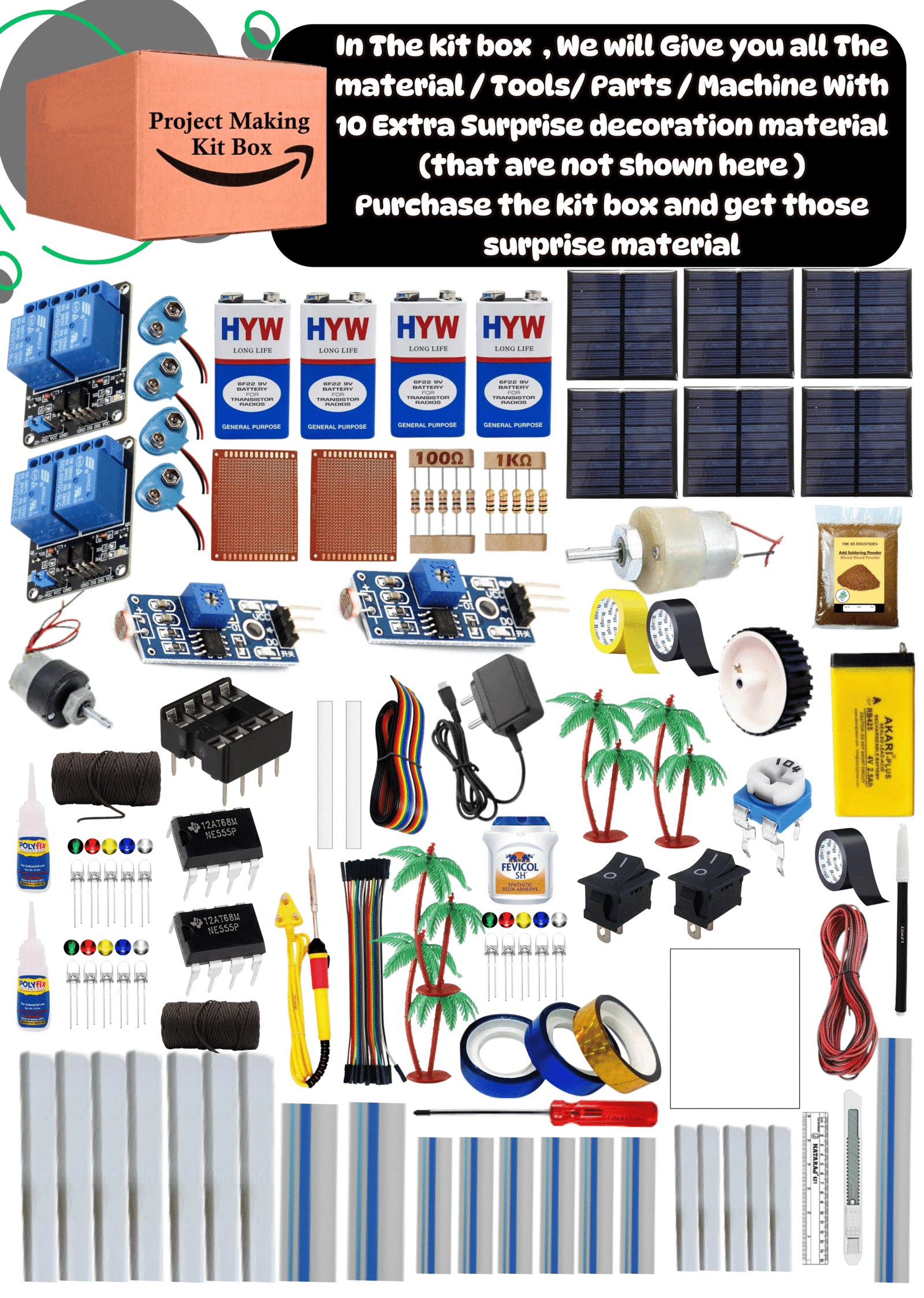
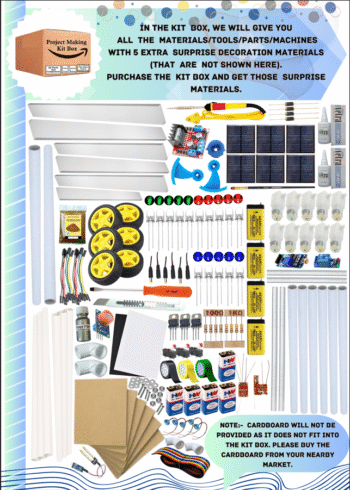
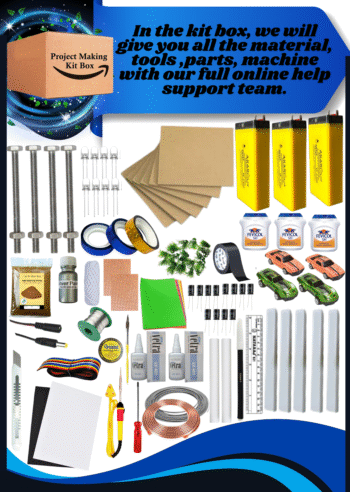
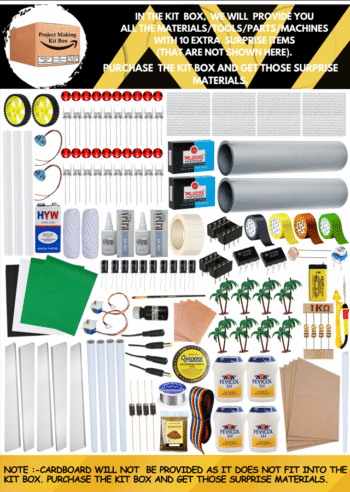
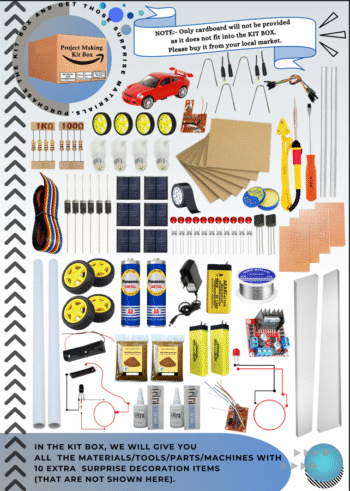
In This Project Kit Box We will Give You Only All Components And Parts And Extra Decoration Materials And Step By Step Videos 3D Circuit Diagram And Reading Pages With Synopsis File And Online Training Access
Reviews
There are no reviews yet.