



Natural Disaster Management Project For Earthquake Safety Based Magnetic Levitation House Project

Components Used: Magnetic Levitation System: Uses permanent magnets or electromagnets to lift the house model, allowing it to float above the base platform. Vibration Isolation Pads: Employs magnetic bearings or shock-absorbing materials to minimize the transfer of vibrations. Steel/Metal Frame or Structure: The house model’s structure, designed to represent the building. Sensors (optional): Seismic sensors to detect and measure vibrations or movements during simulation. Electromagnetic Coils: Used to stabilize and control the movement of the levitating model. Controller Circuit: A microcontroller or feedback system to manage the magnetic forces, ensuring stability during vibrations.
Working Principle: The house model is suspended using magnetic levitation (magnetic repulsion or attraction between magnets). When earthquake-like vibrations are simulated, the magnetic levitation system allows the house to float, reducing direct contact with the base, thus isolating the structure from the ground motion. Vibration isolators (magnetic bearings or dampers) absorb the shock and reduce the amplitude of oscillations that reach the house model. The control system adjusts the magnetic forces in real-time to ensure the house remains stable and centered, even during strong simulated shaking.
Key Features: Magnetic Vibration Isolation: A unique method to reduce seismic forces by suspending the structure and minimizing vibration transfer. Enhanced Stability: The floating effect ensures that the structure remains stable, even under simulated earthquake forces. Energy Absorption: The system absorbs the energy from seismic waves, preventing damage to the model. Minimal Ground Contact: Reduced friction and contact with the base platform ensures that vibrations are isolated, protecting the structure.
Applications: Earthquake-resistant Building Design: Demonstrates how magnetic isolation can be used to create buildings that are less susceptible to earthquake damage. Seismic Simulation: Useful for educational purposes, simulations, and demonstrating how buildings can be designed to resist seismic events. Structural Engineering: Can be applied to research in earthquake-resistant technologies, especially for high-risk regions.
Advantages: No Mechanical Wear: Since the house model is levitating, there is no physical contact with the surface, reducing wear and tear. Real-Time Adjustability: Magnetic levitation systems can adapt to changing conditions, making it suitable for different types of ground motion. Cost-Effective and Scalable: This technology can be scaled to protect larger structures without significant cost increases.
Challenges: Magnetic Field Control: Maintaining precise control over the magnetic forces to ensure stable levitation and avoid instability during strong shaking. Power Consumption: Electromagnetic levitation systems may require significant power, especially for larger models or structures. Size Limitations: The magnetic levitation system might be limited in terms of the size of the structure it can support effectively.
Working Demonstration: During an earthquake simulation, the house will be placed on a vibrating platform (representing the seismic waves). The house floats and remains stable due to the magnetic suspension, while the vibration energy is absorbed by the isolation system, preventing damage to the structure.
Conclusion: This project demonstrates a cutting-edge, innovative approach to earthquake resistance using magnetic vibration isolation. It showcases how magnetic forces can be used to protect buildings and structures from seismic damage, making it a valuable tool for future earthquake-resistant designs.
Original price was: ₹2,499.00.₹2,000.00Current price is: ₹2,000.00.
Natural disasters, especially earthquakes, can cause severe damage to buildings, leading to loss of life and property. The aim of this project is to demonstrate a simple yet effective way to protect a house from earthquake vibrations using magnetic levitation. By strategically placing magnets at the base of the structure, vibrations are absorbed, preventing them from reaching the house. This project also includes a vibration sensing circuit to detect the presence of vibrations, which can alert people to possible danger.
Related Products
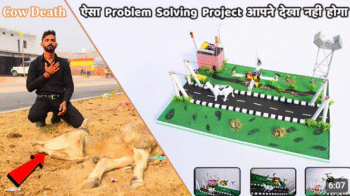
The Cow Drone Safety system is a cutting-edge technology designed to improve the safety and well-being of cattle on farms. By utilizing drones equipped with advanced sensors and monitoring capabilities, this system aims to revolutionize the way farmers manage their livestock. In this project, we will explore the design, functionality, and potential benefits of the Cow Drone Safety system.

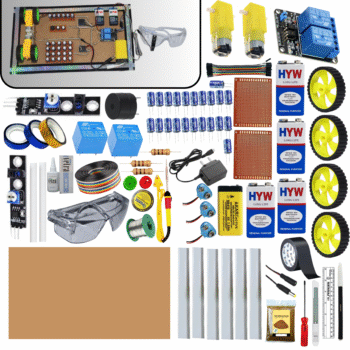
Eyes Blink Sensor: An eyes blink sensor is a device or sensor that detects and monitors the blinking of a person’s eyes. It can be used for various purposes, such as in medical applications, research studies, or even as a personal alert system. When the sensor detects that the person’s eyes are closed or blinking, it triggers a specific action or event, such as sounding an alarm.
Audible Alarm: The sensor is equipped with a sound-generating mechanism that produces an audible alarm when it detects closed or blinking eyes. This alarm sound can be a beep, chime, or any other distinct sound that alerts the user or others in the vicinity.
Safety Applications: The alarm functionality can be particularly useful in safety-critical environments, such as monitoring drivers for signs of drowsiness, operators of heavy machinery, or individuals performing tasks that require sustained focus and attention.
this project use materials name – Glass , Ir Sensor , Pcv Plate , Alarm , 1K resostor , 9v Cap , 9v Battery , Jumper Wire , Glue Road , Soldering Powder , Screwdriver
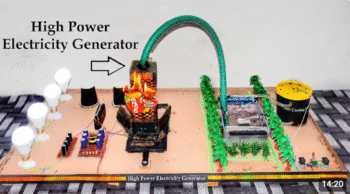

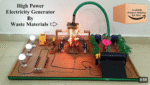
Generate Electricity By Waste Materials
Inspire Award Project Kit Box
Generate Electricity By Plastic
Electrical Engineering Project Kit Box
Free Energy Project Kit Box
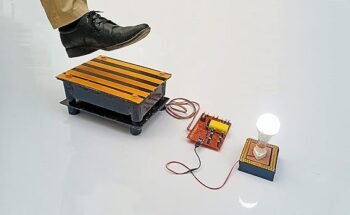
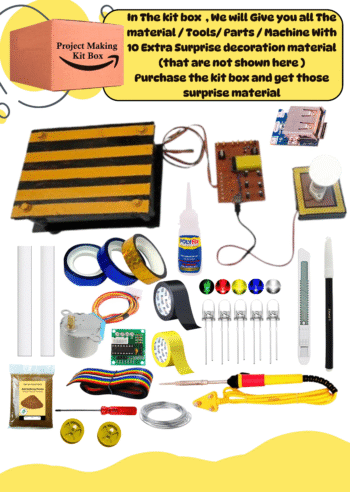
Footstep Power Generate Mechanical Project
Generate Electricity From Mechanical Energy
Generate Electricity By Pressure
Generate Electricity By Walking
Footstep Power Generate Project
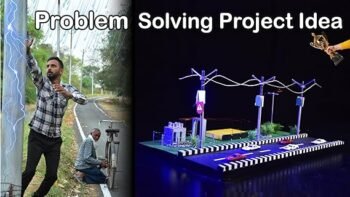
The Problem: Electrical poles, being integral components of power distribution networks, are susceptible to various faults, including short circuits. These faults pose significant dangers to both nearby individuals and the infrastructure itself. However, identifying when a pole is experiencing a fault, especially during adverse weather conditions like rain, can be challenging.
The Solution: Our project introduces a visual indicator system designed to promptly notify observers when a fault occurs in an electrical pole. This system consists of a small strip affixed to the pole, divided into two distinct colors: green and red. During normal operating conditions, when no fault is present, the strip remains green, indicating that the pole is functioning safely. However, when a fault such as a short circuit occurs, the strip promptly changes its color from green to red, si
How it Works: The indicator strip is equipped with sensors capable of detecting abnormal electrical activity, such as an increase in current flow due to a short circuit. Upon detecting such an anomaly, the sensor triggers the color change mechanism, causing the strip to transition from green to red. This visual change serves as an immediate warning sign to anyone in the vicinity that the pole is experiencing a fault and should be avoided.
Benefits: Enhanced Safety: By providing a clear visual indication of faults, the system helps prevent accidents and injuries caused by inadvertent contact with electrified poles. Timely Response: Prompt identification of faults enables swift corrective action, minimizing downtime and potential damage to the electrical infrastructure. User-Friendly: The simplicity of the color-changing indicator strip ensures that it is easily understandable by individuals of all backgrounds and levels of expert
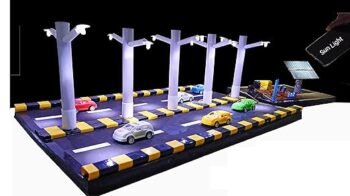
Solar Street Light School Science Project
Solar Street Light Project
LDR Solar Street Light
Automatic On/Off Solar Street Light
Automatic Solar Street Light School Science Project

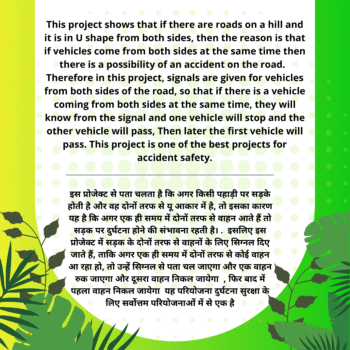
IR Sensor: The IR sensor is used to detect the presence of a vehicle. When a vehicle enters the range of the sensor, it detects its presence. Relay Module: The relay module is used to control the system. Once the IR sensor detects a vehicle, it sends a signal to the relay module, which in turn activates the LED bulb and alarm. LED Bulb: The LED bulb is used to indicate the presence of a vehicle coming from the opposite side. When a vehicle is detected by the IR sensor, the LED bulb on the other side turns on, alerting drivers. Alarm: The alarm sounds to provide a warning of the vehicle’s approach, ensuring further attention and safety. Wiring and Connections:
Working Principle: When a vehicle enters the range of the IR sensor, the sensor detects its presence. The IR sensor sends a signal to the relay module. The relay module then activates the LED bulb and alarm on the opposite side. The alarm and LED bulb warn the drivers that a vehicle is approaching.
Objectives: Enhance road safety by alerting drivers about vehicles approaching from the opposite side. Prevent traffic accidents, especially in areas with limited visibility. Create a simple and cost-effective vehicle detection system for traffic monitoring.
Expected Outcomes: Early warning system for approaching vehicles, giving drivers more time to react. Improved awareness and timely responses from drivers to avoid accidents. Efficient use of sensors and alarms to ensure smooth traffic flow and safety.
Applications: Safety alert system on narrow roads or blind spots. Traffic control at signal points or crossing areas. Monitoring vehicles in industrial areas or warehouses where safety is critical.
Future Improvements: Use of advanced sensors (e.g., ultrasonic) for better accuracy. Integration with traffic signal systems for automated control. Solar-powered systems for cost-effective outdoor applications.
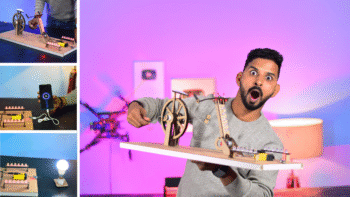
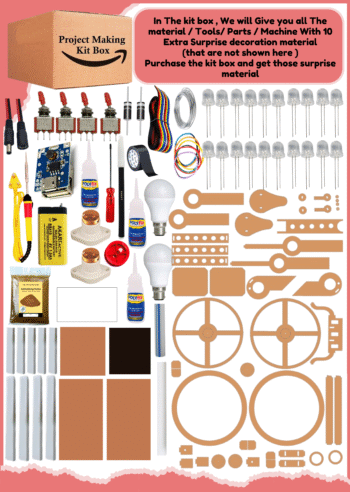
Health + Electricity Generation – Combines fitness with energy savings.
Made from Cardboard – Low-cost and eco-friendly DIY model.
Uses a Dynamo Motor – Pedaling turns mechanical energy into electricity.
Inverter Battery Charging – Just 15 minutes of cycling daily can charge your home inverter up to 40–50%.
Reduces Electricity Bill – Can help cut down your power costs by up to 50%
Perfect for Home Use – Easy to set up and use regularly.
Eco-Friendly Solution – Promotes green energy and reduces carbon footprint.
Great for Science Fairs & School Projects – A unique mix of innovation and education.
Boosts Motivation – Provides instant results to keep users motivated to cycle daily.
Step Toward Renewable Energy – Inspires sustainable living and self-reliance.
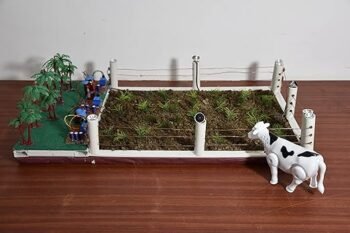
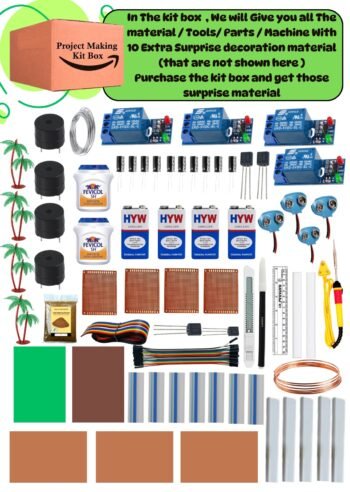
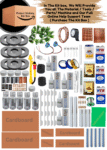
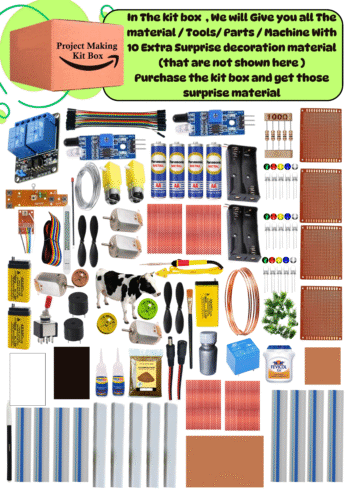
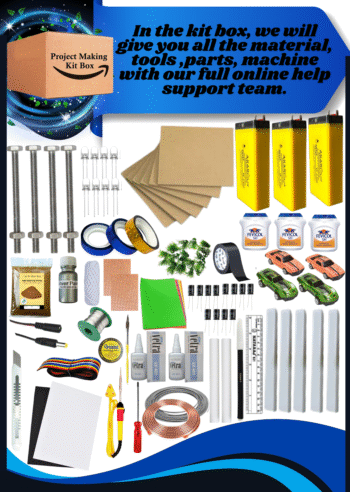
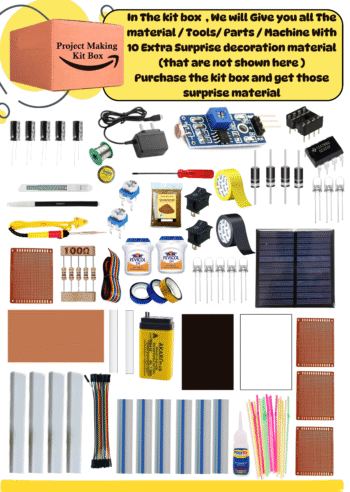
In this project kit box we will give you all components and parts , Extra decoration materials , How to make full step by step video and 3D circuit diagram , Reading pages , Synopsis file , Online training access There will be more wires around the field wall , The direction from which the animals are entering the fields, then on coming in touch with the wire which is around, the alarm will start sounding from the same direction, so that the animal will feel that someone is coming and he will run away due to which the farmer is not in the fields. There will be safety and there will be no harm to the farms and animals. So If farmer go to out side of field then his crop save by animal Best Part Of This Project , It’s System Making Cost Very Low Any Farmer Can buy or Make Himself And Use In Field .

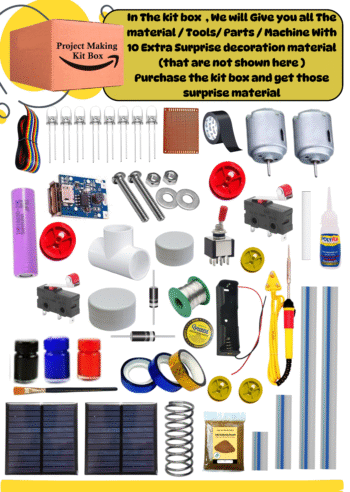
“In this video, we introduce a revolutionary concept: the Life-Saving Stick for Farmers. Designed to ensure the safety of farmers working in fields, this stick incorporates a vibration motor and a micro pressure switch. When farmers traverse through their fields, the stick, upon touching the ground, activates the vibration motor through the pressure switch. This vibration, transmitted through the ground, serves as a deterrent for nearby snakes, effectively reducing the risk of snake encounters and ensuring the safety of our farmers.
In this step-by-step DIY guide, we demonstrate how to construct this innovative device, providing detailed instructions and tips for assembly. Join us in empowering farmers with this life-saving technology, enhancing their safety and peace of mind while they work tirelessly to feed our communities.
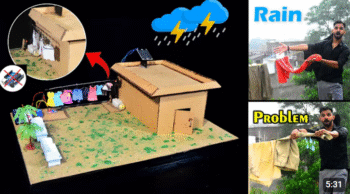
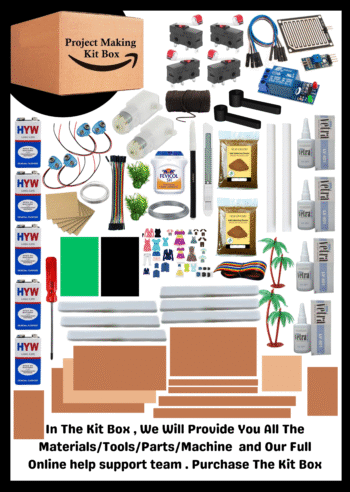
Learn how to build an automatic clothes drying system that responds to rain! In this project, we connect a rain-sensing module to a relay module, which activates a motor to move clothes indoors when it starts raining and back out when the rain stops. Perfect for keeping your laundry safe from unexpected showers. Ideal for DIY enthusiasts, smart home projects, and anyone looking to automate daily chores. Watch now to see how easily you can set up this rain-activated clothes drying system.


Introduction Of Project In This Project We show when vehicle cross the rood then breaker move and generate electricity ( here we convert mechanical power to electrical power ) so when electricity generate that electricity we store in battery and when night start that time that store power automatic go to street light and street light glowing so in this project we show how to generate electricity by speed breaker , If You Want to Only Watch Full Making Video Of Project Step by Step With Project File and Synopsis file.
Reviews
There are no reviews yet.