



Natural Disaster Management Project For Earthquake Safety Based Magnetic Levitation House Project

Components Used: Magnetic Levitation System: Uses permanent magnets or electromagnets to lift the house model, allowing it to float above the base platform. Vibration Isolation Pads: Employs magnetic bearings or shock-absorbing materials to minimize the transfer of vibrations. Steel/Metal Frame or Structure: The house model’s structure, designed to represent the building. Sensors (optional): Seismic sensors to detect and measure vibrations or movements during simulation. Electromagnetic Coils: Used to stabilize and control the movement of the levitating model. Controller Circuit: A microcontroller or feedback system to manage the magnetic forces, ensuring stability during vibrations.
Working Principle: The house model is suspended using magnetic levitation (magnetic repulsion or attraction between magnets). When earthquake-like vibrations are simulated, the magnetic levitation system allows the house to float, reducing direct contact with the base, thus isolating the structure from the ground motion. Vibration isolators (magnetic bearings or dampers) absorb the shock and reduce the amplitude of oscillations that reach the house model. The control system adjusts the magnetic forces in real-time to ensure the house remains stable and centered, even during strong simulated shaking.
Key Features: Magnetic Vibration Isolation: A unique method to reduce seismic forces by suspending the structure and minimizing vibration transfer. Enhanced Stability: The floating effect ensures that the structure remains stable, even under simulated earthquake forces. Energy Absorption: The system absorbs the energy from seismic waves, preventing damage to the model. Minimal Ground Contact: Reduced friction and contact with the base platform ensures that vibrations are isolated, protecting the structure.
Applications: Earthquake-resistant Building Design: Demonstrates how magnetic isolation can be used to create buildings that are less susceptible to earthquake damage. Seismic Simulation: Useful for educational purposes, simulations, and demonstrating how buildings can be designed to resist seismic events. Structural Engineering: Can be applied to research in earthquake-resistant technologies, especially for high-risk regions.
Advantages: No Mechanical Wear: Since the house model is levitating, there is no physical contact with the surface, reducing wear and tear. Real-Time Adjustability: Magnetic levitation systems can adapt to changing conditions, making it suitable for different types of ground motion. Cost-Effective and Scalable: This technology can be scaled to protect larger structures without significant cost increases.
Challenges: Magnetic Field Control: Maintaining precise control over the magnetic forces to ensure stable levitation and avoid instability during strong shaking. Power Consumption: Electromagnetic levitation systems may require significant power, especially for larger models or structures. Size Limitations: The magnetic levitation system might be limited in terms of the size of the structure it can support effectively.
Working Demonstration: During an earthquake simulation, the house will be placed on a vibrating platform (representing the seismic waves). The house floats and remains stable due to the magnetic suspension, while the vibration energy is absorbed by the isolation system, preventing damage to the structure.
Conclusion: This project demonstrates a cutting-edge, innovative approach to earthquake resistance using magnetic vibration isolation. It showcases how magnetic forces can be used to protect buildings and structures from seismic damage, making it a valuable tool for future earthquake-resistant designs.
Original price was: ₹2,499.00.₹2,000.00Current price is: ₹2,000.00.
Natural disasters, especially earthquakes, can cause severe damage to buildings, leading to loss of life and property. The aim of this project is to demonstrate a simple yet effective way to protect a house from earthquake vibrations using magnetic levitation. By strategically placing magnets at the base of the structure, vibrations are absorbed, preventing them from reaching the house. This project also includes a vibration sensing circuit to detect the presence of vibrations, which can alert people to possible danger.
Related Products
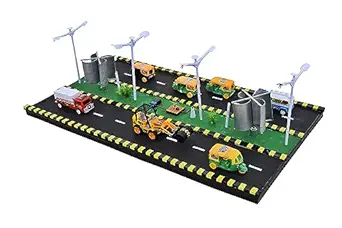

Design and Operation: VAWTs typically consist of two or more blades that rotate around a vertical axis. The blades can have different shapes, such as straight, helical, or S-shaped, and are attached to a central shaft. As the wind blows, the blades capture the kinetic energy and convert it into mechanical rotation, which can then be used to generate electricity through a generator or to perform other tasks directly.

Eyes Blink Sensor: An eyes blink sensor is a device or sensor that detects and monitors the blinking of a person’s eyes. It can be used for various purposes, such as in medical applications, research studies, or even as a personal alert system. When the sensor detects that the person’s eyes are closed or blinking, it triggers a specific action or event, such as sounding an alarm.
Audible Alarm: The sensor is equipped with a sound-generating mechanism that produces an audible alarm when it detects closed or blinking eyes. This alarm sound can be a beep, chime, or any other distinct sound that alerts the user or others in the vicinity.
Safety Applications: The alarm functionality can be particularly useful in safety-critical environments, such as monitoring drivers for signs of drowsiness, operators of heavy machinery, or individuals performing tasks that require sustained focus and attention.
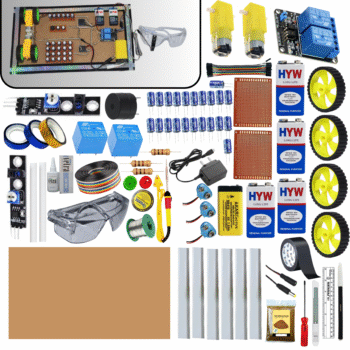
this project use materials name – Glass , Ir Sensor , Pcv Plate , Alarm , 1K resostor , 9v Cap , 9v Battery , Jumper Wire , Glue Road , Soldering Powder , Screwdriver


In this video, I demonstrate how to create a floating house using ACC blocks (Autoclaved Aerated Concrete blocks) and a cardboard house. I built the base of the house with ACC blocks, which are lightweight and float on water. When placed in a water tank, the house’s height automatically rises with the water level, preventing it from sinking. This project shows how real-life houses can be designed to stay afloat during heavy rainfall or floods, offering a solution for disaster management in flood-prone areas. The idea behind this floating house concept is to build homes that automatically adjust their height based on the rising water levels, ensuring that they do not get submerged during extreme weather conditions.
This floating house project is a great idea for those interested in science experiments, civil engineering projects, or innovative disaster management solutions. Whether you’re a student, a science enthusiast, or someone looking for unique school projects, this video will help you understand the concept of a floating house and its potential use in real life. Watch the full video to see how you can make this project at home and learn about flood-resistant house designs.
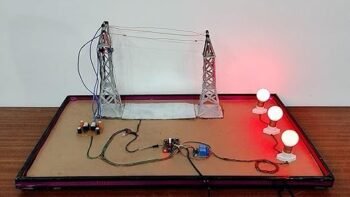

Transmission Line Fault Detection Project
Electrical Engineering Project Making Kit Box
Fault Detection In Transmission Line Project
Line To Ground Fault Detection
Three Phase Transmission Line Fault Detection Project
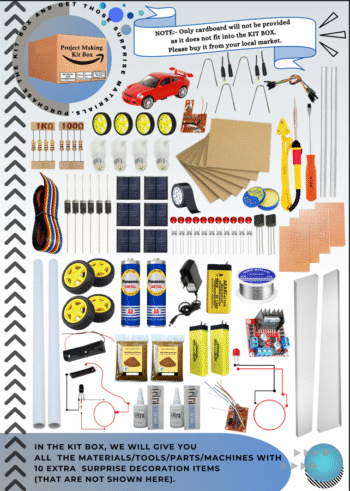
In This Project Kit Box We will Give You Only All Components And Parts And Extra Decoration Materials And Step By Step Videos 3D Circuit Diagram And Reading Pages With Synopsis File And Online Training Access
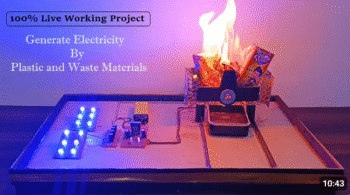

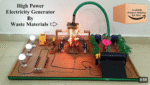
Generate Electricity By Waste Materials
Generate Electricity By Plastic
Free Energy Generate Project
electricity from garbage
Waste Materials By Generate Electricity

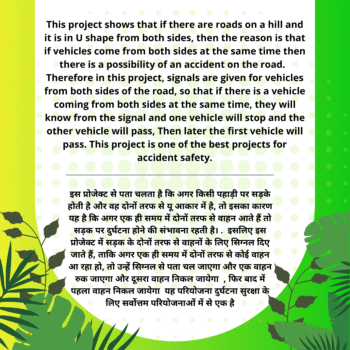
IR Sensor: The IR sensor is used to detect the presence of a vehicle. When a vehicle enters the range of the sensor, it detects its presence. Relay Module: The relay module is used to control the system. Once the IR sensor detects a vehicle, it sends a signal to the relay module, which in turn activates the LED bulb and alarm. LED Bulb: The LED bulb is used to indicate the presence of a vehicle coming from the opposite side. When a vehicle is detected by the IR sensor, the LED bulb on the other side turns on, alerting drivers. Alarm: The alarm sounds to provide a warning of the vehicle’s approach, ensuring further attention and safety. Wiring and Connections:
Working Principle: When a vehicle enters the range of the IR sensor, the sensor detects its presence. The IR sensor sends a signal to the relay module. The relay module then activates the LED bulb and alarm on the opposite side. The alarm and LED bulb warn the drivers that a vehicle is approaching.
Objectives: Enhance road safety by alerting drivers about vehicles approaching from the opposite side. Prevent traffic accidents, especially in areas with limited visibility. Create a simple and cost-effective vehicle detection system for traffic monitoring.
Expected Outcomes: Early warning system for approaching vehicles, giving drivers more time to react. Improved awareness and timely responses from drivers to avoid accidents. Efficient use of sensors and alarms to ensure smooth traffic flow and safety.
Applications: Safety alert system on narrow roads or blind spots. Traffic control at signal points or crossing areas. Monitoring vehicles in industrial areas or warehouses where safety is critical.
Future Improvements: Use of advanced sensors (e.g., ultrasonic) for better accuracy. Integration with traffic signal systems for automated control. Solar-powered systems for cost-effective outdoor applications.

1. Introduction: In today’s world, the growing concern for environmental sustainability has led to the development of renewable energy solutions. Electric vehicles (EVs) have gained popularity as an eco-friendly alternative to traditional gasoline-powered cars. However, one of the challenges faced by EV owners is the limited range due to battery constraints. To address this issue, we have developed a groundbreaking project – a solar-powered wireless charging system that can provide emergency charging to electric vehicles using a remote-controlled (RC) robotic car.
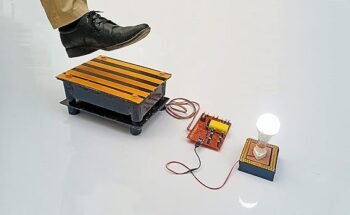
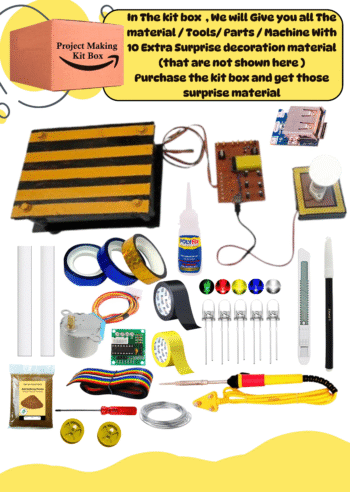
Footstep Power Generate Mechanical Project
Generate Electricity From Mechanical Energy
Generate Electricity By Pressure
Generate Electricity By Walking
Footstep Power Generate Project

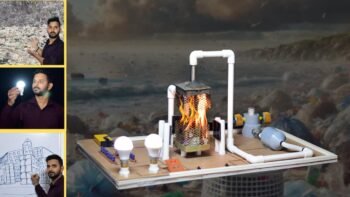

Project Key Features: Waste Plastic Bag Collection: Plastic bags, which are typically waste material, are collected to prevent them from polluting the environment.
Electricity Generation: The plastic bags are burned to generate electricity. This process contributes to renewable energy production.
Pollution Control and Ink Production: The emissions released during the burning process are filtered and treated to create high-quality ink in an eco-friendly manner.
Road Construction Using Waste Materials: Recycled plastic bags and other waste materials are used to build sustainable roads. These roads are more durable and require less maintenance than traditional roads.
Environmental Benefits: The project helps reduce environmental pollution by efficiently managing waste and generating clean energy.
Economic Value: The recycling of plastic adds economic value, benefiting local economies and creating new jobs.
Sustainable Future: The project aims to create a more sustainable and eco-friendly future, where waste is properly utilized and environmental harm is minimized.
Project Benefits: Waste Management: Efficient disposal and utilization of waste plastic bags. Energy Generation: Clean, renewable energy production. Pollution Reduction: Emissions are controlled, and ink is produced in a safer, environmentally friendly way. Cost-Effective Infrastructure: Roads built from recycled materials are cost-effective and long-lasting. Environmental Impact: Reduces carbon footprint by providing eco-friendly solutions. This project offers a new perspective on waste management and sustainability, providing positive environmental impacts while supporting economic growth.
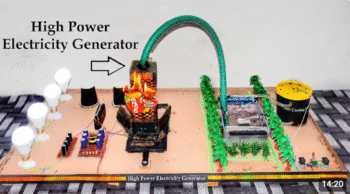

Generate Electricity By Waste Materials
Inspire Award Project Kit Box
Generate Electricity By Plastic
Electrical Engineering Project Kit Box
Free Energy Project Kit Box
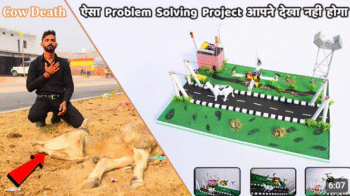
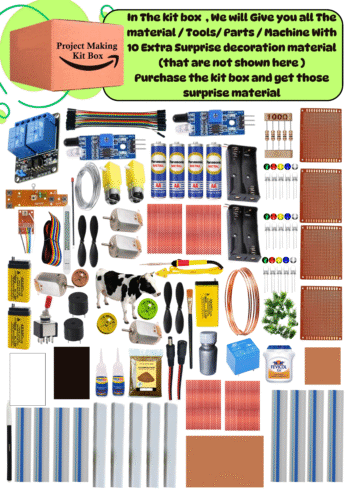
The Cow Drone Safety system is a cutting-edge technology designed to improve the safety and well-being of cattle on farms. By utilizing drones equipped with advanced sensors and monitoring capabilities, this system aims to revolutionize the way farmers manage their livestock. In this project, we will explore the design, functionality, and potential benefits of the Cow Drone Safety system.
Reviews
There are no reviews yet.